If you are visiting Singapore for the first time, this Singapore Travel Guide will help you understand what to expect before your trip. Singapore is a modern and exciting destination with impressive attractions, diverse neighborhoods, delicious food, and an efficient public transportation system. With a little preparation, you can explore the city comfortably and make the most of your time there.
If you are visiting for the first time, this Singapore Travel Guide will help you understand what to expect before your trip. From the best places to visit and getting around to food, accommodation, costs, weather, and practical travel advice, I have focused on the things that can actually make your trip easier.
Singapore is a small country, which is one of its biggest advantages for travelers. You can see a lot without spending hours traveling between destinations. However, accommodation and some attractions can be expensive, so planning your budget and choosing the right area to stay can make a noticeable difference.
Why Visit Singapore?
Singapore is a great choice if you want a trip that combines city life, food, culture, entertainment, and modern attractions.
The city has a fascinating mix of cultures. Chinese, Malay, Indian, and other communities have shaped Singapore’s food, neighborhoods, architecture, and traditions.
You can walk through Chinatown, visit Little India, explore Kampong Glam, and then take the MRT to a completely different part of the city.
Another advantage is convenience. Public transportation is easy to use, English is widely spoken, and many attractions are well connected.
Singapore can work for different types of travelers. Families will find plenty of attractions for children, couples can enjoy restaurants and evening views, and solo travelers can explore the city independently without needing a complicated itinerary.
Best Places to Visit in Singapore
There are many places worth seeing, but you do not need to visit every attraction to have a good trip.
Marina Bay
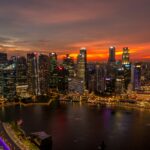
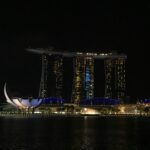
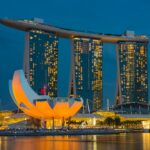
Marina Bay is one of the best places to begin exploring Singapore.
The area is known for its modern skyline, waterfront views, and several famous attractions. Walking around the bay in the evening is particularly enjoyable when the buildings start lighting up.
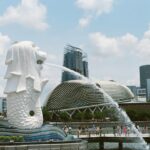
You can also visit nearby attractions such as the Merlion, Esplanade, and Gardens by the Bay.
Gardens by the Bay
Gardens by the Bay is one of Singapore’s most recognizable attractions.
The futuristic Supertree structures make the area look completely different from a traditional botanical garden. The Flower Dome and Cloud Forest are also popular, especially when the weather outside is hot or rainy.
You can visit during the day, but staying until evening gives you the chance to see the illuminated Supertrees.
Marina Bay Sands
Marina Bay Sands is another major landmark.
The building is famous for its unusual architecture and rooftop infinity pool. The pool is generally reserved for hotel guests, but other visitors can still enjoy the surrounding area and observation experiences depending on what is available during their trip.
Even if you do not stay at the hotel, seeing the building from Marina Bay is worthwhile.
Chinatown
Chinatown is a good place to experience another side of Singapore.
You can explore temples, traditional shops, restaurants, markets, and food centers while walking through the neighborhood.
It is also a convenient area for travelers who want to combine sightseeing with local food.
Little India
Little India has a completely different atmosphere.
Colorful buildings, Indian restaurants, shops, temples, and busy streets make it an interesting area to explore on foot.
If you enjoy photography and food, give yourself a few hours rather than simply passing through.
Kampong Glam
Kampong Glam is known for its Malay and Muslim heritage.
The area around Sultan Mosque is particularly interesting, while Haji Lane has cafés, small shops, murals, and a more modern atmosphere.
It is a good example of how Singapore combines historic neighborhoods with contemporary city life.
Sentosa Island
Sentosa is where you can spend more time if you enjoy beaches, attractions, entertainment, and family activities.
It is home to several major attractions and can easily take up an entire day.
You do not necessarily need to visit everything. Choose the activities that match your interests and budget.
Getting Around Singapore
One of the biggest advantages of Singapore is its public transportation system.
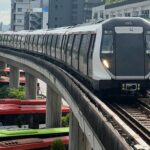
The MRT is usually the easiest way to travel between major areas. It is fast, comfortable, and much cheaper than taking taxis for every journey.
Buses are also useful when your destination is not directly next to an MRT station.
For short distances, walking can sometimes be the best option. Singapore’s neighborhoods can be enjoyable to explore on foot, and you may discover small cafés, shops, temples, or food stalls that you would miss from a vehicle.
Taxis and ride-hailing services are useful when traveling late at night, carrying heavy luggage, or visiting places that are less convenient by public transport.
Before leaving your hotel, check the route and estimated travel time. A journey that looks short on a map can still take longer if you need to change trains or walk between stations.
Where to Stay in Singapore
Choosing the right location can make a big difference to your trip.
If you want to be close to major attractions and do not mind paying more, the Marina Bay and City Hall areas are convenient.
Orchard Road is a good choice for travelers interested in shopping and modern city life.
Bugis and Kampong Glam can be appealing if you want a central location with restaurants, cafés, and cultural attractions nearby.
Chinatown is another practical option, especially for travelers who want easy access to food and public transportation.
Little India can offer more affordable accommodation options, although prices vary significantly depending on the hotel and travel season.
The most important thing is not simply choosing the cheapest room. Check how close the hotel is to an MRT station and how easily you can reach the places you plan to visit.
Singapore Food: What Should You Try?
Food should be part of your Singapore itinerary.
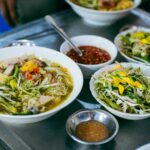
The country is famous for hawker centers, where you can find a wide variety of local dishes without spending a fortune.
Some popular foods to try include:
Hainanese chicken rice
Laksa
Char kway teow
Chilli crab
Nasi lemak
Satay
Hokkien mee
Kaya toast
Roti prata
Singapore-style fish head curry
You do not need to visit expensive restaurants to experience Singaporean food.
Hawker centers are one of the best ways to understand everyday food culture. You can walk around, compare different stalls, and choose something that looks interesting.
If you have dietary restrictions, check the ingredients before ordering. Singapore has many food options, but dishes can contain seafood, meat, dairy, peanuts, or other ingredients you may need to avoid.
How Much Does Singapore Cost?
Singapore is generally more expensive than many other Southeast Asian destinations.
However, your actual spending depends heavily on your accommodation, food choices, attractions, and transportation.
Accommodation will usually take a large part of your budget. Luxury hotels can be very expensive, while budget hotels and hostels can reduce the overall cost.
Food does not have to be expensive. Eating at hawker centers and local food courts can help you keep daily expenses under control.
Transportation is another area where you can save because MRT and buses are relatively practical compared with using taxis for every trip.
Attractions can increase your budget quickly, particularly if you are traveling with a family. Instead of paying for every attraction, choose a few experiences that you genuinely want to see.
A realistic budget should include accommodation, food, transportation, attraction tickets, shopping, and a little extra money for unexpected expenses.
Best Time to Visit Singapore
Singapore has a tropical climate, so you can visit throughout the year.
Expect warm temperatures and humidity regardless of the season. Rain can also occur throughout the year, sometimes arriving as a sudden heavy shower.
This does not mean rain will ruin your holiday. Many attractions are indoors, and a flexible itinerary allows you to move outdoor activities when the weather changes.
If you are planning a trip around a specific event or holiday period, check accommodation prices early because demand can affect rates.
For most travelers, the best time depends less on finding a perfect weather month and more on choosing dates that fit their budget and schedule.
How Many Days Do You Need?
For a first visit, 3 to 5 days can be enough to experience many of Singapore’s highlights.
With three days, you can focus on Marina Bay, Gardens by the Bay, Chinatown, Little India, Kampong Glam, and one major attraction.
With four or five days, you can slow down and include Sentosa, more food experiences, shopping, museums, or neighborhoods that are outside the main tourist areas.
If you have only a short stopover, do not try to cover the entire country. Choose a few nearby attractions and enjoy them rather than spending your limited time traveling from one side of the city to another.
Singapore Travel Guide for Families
Singapore is one of the easier destinations in Asia for a family holiday.
There are attractions for different age groups, and public transportation makes it relatively simple to move around.
Families may enjoy places such as Gardens by the Bay, Sentosa, the Singapore Zoo, and other family-focused attractions.
However, avoid planning too many activities in one day. Children can become tired quickly in Singapore’s hot and humid weather.
Include breaks, carry water, and allow enough time for meals.
A family trip does not need to be a nonstop sightseeing schedule.
Is Singapore Good for Solo Travelers?
Singapore can be an excellent destination for solo travelers.
The city is easy to navigate, English is commonly used, and there are plenty of places where you can eat or explore alone without feeling uncomfortable.
You can spend a morning visiting museums, have lunch at a hawker center, and spend the afternoon walking around a neighborhood at your own pace.
Solo travelers should still follow normal safety precautions. Keep your valuables secure, stay aware of your surroundings, and avoid taking unnecessary risks late at night.
Singapore Travel Rules and Local Etiquette
Singapore is known for having clear rules, and visitors should take them seriously.
Keep public places clean and follow signs regarding littering, smoking, and other restrictions.
When using public transportation, be considerate of other passengers. Avoid blocking doors and follow local instructions.
When visiting temples, mosques, or other religious places, dress respectfully and follow the rules of the location.
Do not assume that something allowed in your home country is automatically acceptable in Singapore. If you see a sign or instruction, follow it.
A little awareness can help you avoid unnecessary fines or uncomfortable situations.
Money, Cards and Payments
Credit and debit cards are widely accepted in Singapore, particularly in hotels, shopping malls, restaurants, and modern businesses.
Digital payments are also common.
Still, keeping some Singapore dollars available can be useful for smaller purchases and places where your preferred payment method is not accepted.
Before your trip, tell your bank that you will be traveling if your bank requires travel notifications.
It is also sensible to have more than one payment method. If one card stops working, you do not want to be left without access to your money.
Internet and SIM Cards
Having mobile internet makes traveling much easier.
You can use your phone for maps, MRT directions, restaurant searches, attraction information, ride-hailing, and communication.
Travelers can consider buying a local SIM card or using an eSIM if their phone supports it.
Airport counters may be convenient, but compare the available packages before buying. Depending on your phone and travel needs, an eSIM purchased before departure may also be a convenient option.
Make sure your phone is unlocked and compatible before relying on a local SIM.
What Should You Pack?
You do not need a huge suitcase for Singapore.
Lightweight clothing is usually comfortable because of the warm climate. Comfortable walking shoes are essential because you may spend several hours exploring neighborhoods and attractions.
I would also recommend packing:
A small umbrella
Sunscreen
Sunglasses
Reusable water bottle
Power bank
Basic medicines
Comfortable day bag
Copies of important travel documents
If you plan to visit religious places, bring clothing that is appropriate for the location.
Things I Would Not Overplan
One mistake first-time visitors can make is creating a schedule that is too full.
Singapore has many attractions, but you do not need to see everything.
Instead of visiting five major attractions in one day, choose two or three and give yourself time to enjoy the surrounding area.
For example, you could visit Chinatown in the morning, have lunch at a hawker center, and then explore Marina Bay in the afternoon.
This approach feels much less tiring and gives you opportunities to experience the city rather than simply checking attractions off a list.
Practical Singapore Travel Tips for First-Time Visitors
A few simple habits can make your trip smoother.
Start your sightseeing earlier when possible, especially for popular outdoor attractions. The weather is often more comfortable in the morning.
Keep water with you and take breaks during long walking days.
Use public transportation whenever it makes sense instead of automatically taking taxis.
Check attraction opening hours before leaving your hotel because schedules can change.
Keep your passport and important documents secure.
Most importantly, leave some flexibility in your itinerary. Singapore is small enough that you can often change your plans without creating a major problem.
Singapore Travel Guide: A Simple First-Trip Plan
If you are visiting Singapore for the first time and want a simple structure, you could organize your trip like this:
Day 1: Marina Bay, Merlion area, Gardens by the Bay and evening city views.
Day 2: Chinatown, Little India and Kampong Glam, with time for local food.
Day 3: Sentosa or another major attraction depending on your interests.
Day 4: Shopping, museums, neighborhoods, food experiences, or places you missed earlier.
Day 5: A slower day for anything you particularly enjoyed or a final exploration before departure.
You can easily change this plan depending on your hotel location, budget, and interests.
Final Thoughts
Singapore may be small, but it offers an impressive variety of experiences. You can enjoy modern architecture, cultural neighborhoods, excellent food, green spaces, shopping, entertainment, and family attractions within a relatively compact area.
The biggest advantage for a first-time visitor is convenience. Once you understand the MRT system, choose a sensible hotel location, and plan your days realistically, exploring the city becomes much easier.
This Singapore Travel Guide is not meant to make your trip overly complicated. You do not need a perfect itinerary or an unlimited budget to enjoy Singapore. A little preparation, sensible spending, and enough free time can make the experience much more enjoyable.
Whether you are visiting for three days or a full week, focus on the places and experiences that genuinely interest you. Eat local food, explore beyond the most famous landmarks, and give yourself time to enjoy the atmosphere of the city.
Singapore is a destination where modern life and different cultures come together in a surprisingly small space. For a first trip to Southeast Asia, it can be an easy, comfortable, and memorable place to begin.