Getting around South Korea is much easier when you understand the different transportation options before your trip. The country has modern cities, reliable public transportation, high-speed trains, buses, taxis, and domestic flights that can help travelers move between different destinations.
For first-time visitors, transportation may look a little confusing at first, especially in a large city like Seoul. However, once you understand how the main options work, traveling around South Korea becomes much more comfortable.
Whether you want to explore Seoul by subway, travel from Seoul to Busan by train, visit smaller cities by bus, or explore Jeju Island, there are several ways to plan your journey.
In this South Korea transportation guide, you will learn how to use trains, buses, subways, taxis, and other transportation options, along with practical tips for making your trip easier.
1. Seoul Subway
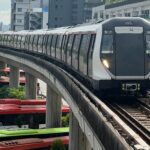
The subway is one of the most useful ways to get around Seoul.
Seoul is a large city, and many popular attractions are located far from each other. Instead of spending a lot of money on taxis, travelers can use the subway to reach different neighborhoods and tourist attractions.
The subway connects many important areas of the city, including shopping districts, cultural attractions, business areas, restaurants, and residential neighborhoods.
At first, the subway map may look complicated because there are many lines and stations. However, signs and station information can make it easier to find your way.
Before leaving your hotel, check your route and identify the station where you need to get off.
2. Using Buses in South Korea
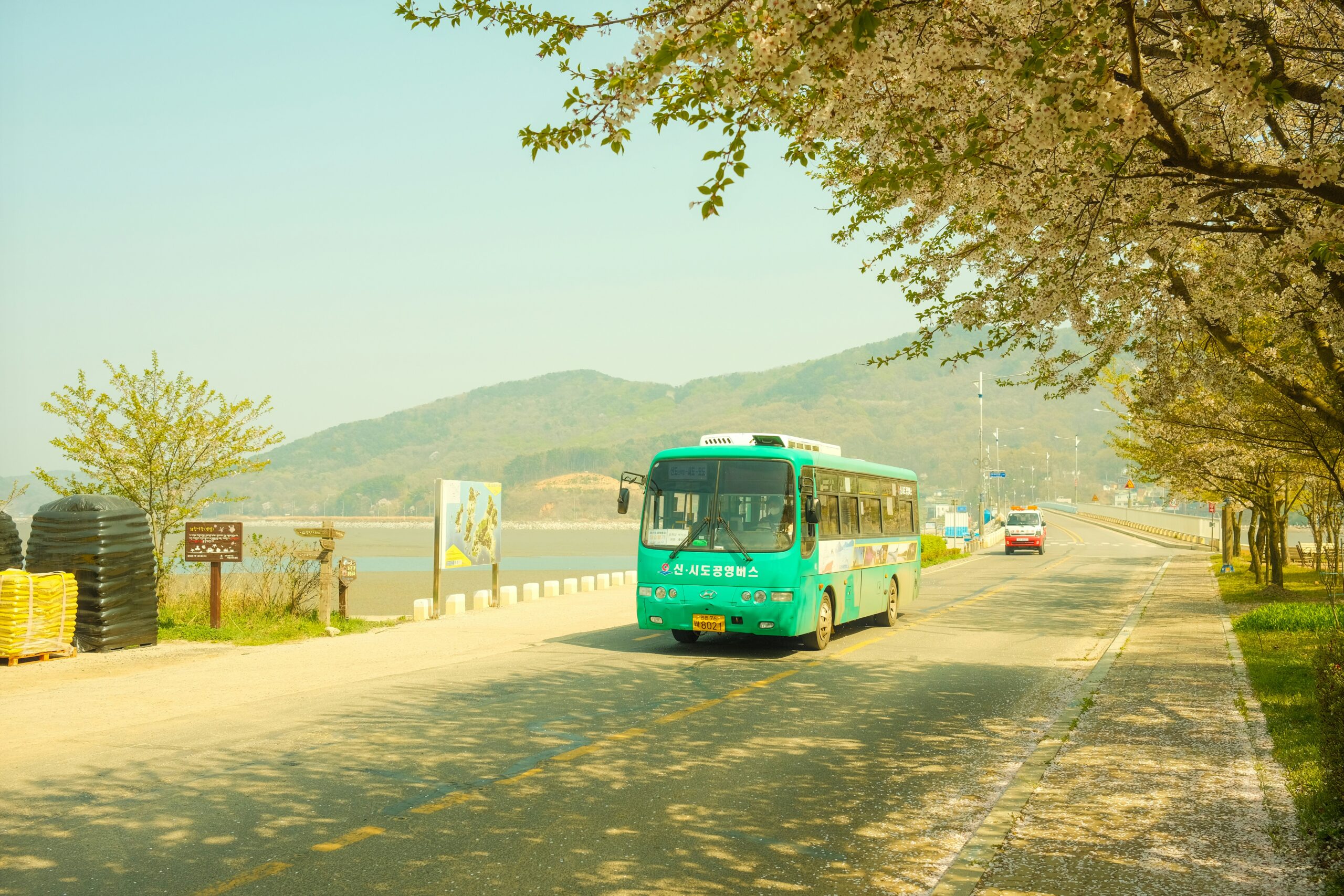
Buses are another important part of the South Korea transportation system.
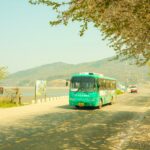
City buses operate in Seoul and other major cities, while intercity buses can connect different towns and destinations.
Buses can sometimes take you to places that are not directly connected by subway.
For tourists, buses can be especially useful when visiting areas outside the main city centers.
If you are not familiar with Korean bus routes, use a reliable navigation or transportation app to check the route before leaving.
3. High-Speed Trains
If you want to travel between major cities quickly, South Korea’s high-speed trains can be a convenient option.
The KTX is one of the country’s best-known high-speed train services. It connects Seoul with several major destinations, including Busan.
Traveling by high-speed train can save a significant amount of time compared with some other forms of transportation.
For example, if you want to visit both Seoul and Busan during the same trip, taking a high-speed train can make your itinerary easier to manage.
Train fares depend on the route and service, so check the latest schedule and price before booking.
4. Traveling From Seoul to Busan
Seoul and Busan are two of the most popular destinations for international visitors.
There are several ways to travel between the two cities, including high-speed trains, regular trains, buses, and flights.
For many travelers, the high-speed train is a convenient option because it is fast and connects central areas.
Buses can be another option if you want to reduce transportation costs.
When choosing between train and bus, compare the price, travel time, departure location, and arrival location.
Sometimes the cheapest ticket may not be the most convenient option if the station is far from your hotel.
5. Intercity Buses
Intercity buses are useful when traveling to destinations that are not directly connected by high-speed train.
South Korea has a large network of long-distance buses connecting cities and towns.
For budget-conscious travelers, buses can sometimes be less expensive than trains.
They can also be useful for visiting places that are not located on major railway routes.
Before taking an intercity bus, check the departure terminal carefully. Large cities may have more than one bus terminal.
6. Express Buses
Express buses are another option for longer journeys within South Korea.
They can connect major cities and are often used by both local residents and travelers.
Depending on the route, you may have different seating or service options.
If you are traveling during a busy period, it is better to check availability and book your ticket ahead of time.
This is especially important if you have a fixed itinerary and need to arrive in another city at a specific time.
7. Taxis in South Korea
Taxis are widely available in major South Korean cities.
They can be useful when you have heavy luggage, are traveling late, or need to reach a place that is difficult to access by public transportation.
However, taking taxis for every journey can quickly increase your travel expenses.
For most tourists, a combination of subway, buses, and occasional taxis can be a more practical approach.
Before getting into a taxi, make sure you know the destination address.
Having the address written in Korean can sometimes make communication easier.
8. Using Transportation Cards
A transportation card can make daily travel much easier.
Instead of buying a separate ticket every time you use public transportation, you can use a rechargeable card for many bus and subway journeys.
This can be especially useful if you are staying in Seoul for several days.
You can add money to the card when necessary and use it as you travel.
Before your trip, check the latest information about available transportation cards and where they can be purchased or recharged.
9. Getting Around Seoul
Seoul is one of the easiest places in South Korea to explore using public transportation.
The subway is useful for reaching major tourist areas, while buses can take you to places that may be farther from subway stations.
Walking is also an important part of exploring Seoul.
For example, after getting off at a subway station, you may walk through a neighborhood to reach restaurants, markets, shops, or cultural attractions.
A good strategy is to combine subway travel with walking rather than relying entirely on taxis.
10. Getting Around Busan
Busan also has a subway system that can help tourists explore many parts of the city.
The subway can be useful for visiting popular areas, while buses can help you reach destinations farther from subway stations.
Busan is spread across a large area, so check the travel time between attractions before creating your daily itinerary.
If you plan to visit several attractions in one day, grouping nearby locations together can save transportation time.
11. Transportation on Jeju Island
Transportation on Jeju Island can be different from traveling around Seoul or Busan.
The island has buses, taxis, and rental cars.
Some tourists choose to rent a car because it gives them more freedom to explore beaches, waterfalls, hiking areas, and other natural attractions.
However, renting a car is not the only option.
If you do not want to drive, you can use buses and taxis depending on your itinerary.
Before visiting Jeju, think about which areas you want to explore and then choose transportation based on your plans.
12. Renting a Car in South Korea
Renting a car can be useful for travelers who want to explore areas outside major cities.
It can be particularly convenient on Jeju Island or in rural areas where public transportation may not be as frequent.
However, international visitors should check the driving requirements before renting a vehicle.
Make sure you have the required documents and understand the local driving rules.
You should also consider parking costs, fuel, insurance, and rental fees when calculating your transportation budget.
13. Domestic Flights
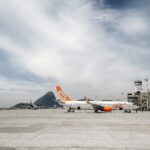
Domestic flights can be useful when traveling long distances or visiting islands.
For example, flights can be an option for travelers going between the mainland and Jeju Island.
Flying may save time, but you also need to consider airport transfers, check-in time, security, and baggage rules.
For some routes, a train may be more convenient even if the flight itself is shorter.
Compare the total journey time rather than looking only at the time spent in the air.
14. Walking Around Tourist Areas
Walking is free and can be one of the best ways to experience South Korean cities.
Some neighborhoods are filled with small restaurants, cafés, shops, markets, and interesting streets that you might miss if you travel everywhere by taxi.
Walking can also help you discover places that are not listed in your itinerary.
However, remember to wear comfortable shoes because you may walk much more than expected.
15. How Much Does Transportation Cost?
Transportation costs depend on the city, distance, and type of service you choose.
Local buses and subway journeys are generally affordable, while taxis, long-distance trains, and flights can cost more.
If you are traveling on a budget, use public transportation as much as possible.
For longer journeys, compare train and bus prices before booking.
You should also keep some extra money available for unexpected transportation expenses.
16. Tips for Using Public Transportation
There are a few simple things that can make public transportation easier for first-time visitors.
Check your route before leaving your hotel.
Save the name and address of your destination.
Pay attention to the subway line and station number.
Check the direction of the train before getting on.
If you are taking a bus, make sure you are waiting at the correct stop.
These small steps can prevent many common travel mistakes.
17. Avoid Traveling During the Busiest Times When Possible
Public transportation can become crowded during busy periods, especially in major cities.
If you have flexibility in your schedule, consider traveling outside the busiest commuting hours.
Crowded transportation can be uncomfortable if you have large luggage.
You can also plan sightseeing so that you are not crossing the entire city during the busiest part of the day.
18. Keep Your Hotel Address With You
This is a simple but useful travel tip.
Save your hotel’s name and address on your phone before leaving.
If possible, keep the address in both English and Korean.
This can be especially useful when taking a taxi or asking someone for directions.
If your phone battery runs out, having the information written down can also be helpful.
19. Plan Your Route by Area
One easy way to reduce transportation time is to organize your itinerary by neighborhood.
Instead of visiting one attraction in the north of Seoul and then traveling across the city to another attraction, try to visit places that are close to each other on the same day.
For example, you could spend one day exploring several attractions in one part of Seoul and another day visiting a different area.
This can save both time and transportation costs.
20. Check Transportation Information Before Your Trip
Transportation schedules, prices, routes, and rules can change.
Before traveling, check the latest information from official transportation providers or reliable travel sources.
This is particularly important if you are planning a long-distance train journey, bus trip, rental car, or domestic flight.
Do not rely only on an old travel guide or information from several years ago.
Best Transportation Option for Different Travelers
There is no single transportation method that is perfect for everyone.
For budget travelers:
Buses and subways can help keep daily transportation costs low.
For travelers with limited time:
High-speed trains can be useful for traveling between major cities.
For families:
A combination of trains, public transportation, and occasional taxis may be convenient.
For Jeju Island:
A rental car can provide more freedom, while buses and taxis are alternatives for travelers who do not want to drive.
For city sightseeing:
Subways and buses are usually practical choices.
The best option depends on your destination, budget, schedule, and travel style.
Final Thoughts
South Korea has many transportation options, which makes it possible to explore the country in different ways.
The subway and buses are useful for getting around major cities, high-speed trains can make travel between major destinations faster, and taxis can be helpful when public transportation is not convenient.
If you are visiting South Korea for the first time, do not worry if the transportation system seems confusing at first. Take some time to understand the routes, save your important addresses, and check your journey before leaving.
With a little preparation, getting around South Korea can become a simple part of your trip rather than something you need to worry about.
The key is to choose transportation according to your destination and travel style. You do not need to use the fastest or most expensive option every time. Sometimes a subway ride, bus journey, or short walk can be just as useful—and can even help you experience more of everyday life in South Korea.