The best time to visit South Korea depends on what you want to see and do during your trip. South Korea is a year-round destination, but each season offers a different travel experience, from cherry blossoms in spring to colorful autumn foliage and snowy winter landscapes.
Spring is ideal for travelers who want to enjoy flowers and comfortable weather, while summer is a good choice for beaches and outdoor activities. Autumn is perfect for colorful mountains and pleasant temperatures, and winter is popular with travelers who want to experience snow, skiing, and winter scenery.
In this guide, you will learn about the best time to visit South Korea, including the weather, seasons, cherry blossoms, autumn foliage, travel costs, crowds, and useful travel tips. This will help you choose the right season for your South Korea trip.
South Korea Weather at a Glance
South Korea has four distinct seasons: spring, summer, autumn, and winter.
official Korea Tourism Organization
Spring generally brings mild temperatures and colorful flowers. Summer is hot and humid, with periods of heavy rain. Autumn is usually comfortable and is famous for colorful foliage. Winter can be cold and dry, with snow in some areas.
The weather can vary between different parts of the country. Seoul, Busan, Jeju Island, and mountainous areas may have noticeably different conditions at the same time.
Because of these seasonal differences, checking the local forecast before your trip is always a good idea.
Spring in South Korea
Spring is one of the most popular seasons to visit South Korea. The weather becomes warmer after winter, and flowers begin to appear across cities, parks, mountains, and countryside.
March can still feel cool, especially early in the month. By April, temperatures become more comfortable, and spring scenery becomes more noticeable.
May is also a pleasant month for sightseeing. The weather is generally mild, making it comfortable to explore cities and outdoor attractions.
Cherry Blossom Season
Cherry blossoms are one of the biggest reasons travelers choose spring for a South Korea trip.
Cherry blossom timing changes every year depending on weather conditions. Seoul, Busan, Jeju Island, and other parts of the country may see blossoms at different times.
During peak bloom, famous parks and viewing spots can become very crowded. Hotels may also become more expensive in popular areas.
If seeing cherry blossoms is one of your main goals, check updated blossom forecasts before finalizing your travel dates.
What to Do in Spring
Spring is a great time for walking tours, palace visits, city sightseeing, hiking, photography, and exploring parks.
You can enjoy Seoul’s historic neighborhoods, visit outdoor attractions, take day trips, or travel to cities such as Gyeongju and Busan.
The comfortable weather also makes spring a good season for travelers who prefer spending a lot of time outdoors.
Summer in South Korea
Summer usually lasts from around June through August and can be hot, humid, and rainy.
June can be more comfortable than the hottest part of summer, although rainfall can occur.
July and August are generally hotter and more humid. South Korea also experiences a rainy period during summer, so travelers should keep an eye on weather forecasts.
Despite the heat, summer can still be an enjoyable time to visit.
Beaches in Summer
If you enjoy beaches, summer is an attractive season for visiting South Korea’s coastal destinations.
Busan is particularly popular during the warmer months. Haeundae Beach and other coastal areas attract both local and international visitors.
Jeju Island is another good choice for summer. You can explore beaches, waterfalls, coastal roads, and outdoor attractions.
Summer Travel Tips
If you travel to South Korea during summer, carry lightweight clothing and stay hydrated.
An umbrella or lightweight rain jacket can also be useful, especially if you plan to spend several days outdoors.
Try to schedule outdoor sightseeing in the morning or later in the afternoon when temperatures may be more comfortable.
Air-conditioned cafes, shopping centers, museums, and indoor attractions can provide a useful break from the heat.
Autumn in South Korea
Autumn is widely considered one of the best seasons for traveling around South Korea.
September can still feel relatively warm, but temperatures usually become more comfortable as the season progresses.
October is particularly popular because the weather is often pleasant and autumn colors begin appearing across the country.
November can be cooler, but it is still an interesting time to explore South Korea before winter becomes more intense.
Autumn Foliage
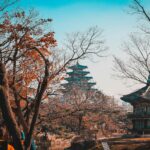
Colorful autumn leaves are one of the biggest attractions during this season.
Mountains, parks, temples, and rural areas can become especially beautiful as the leaves change color.
Seoraksan National Park is a famous choice for autumn scenery. Other parks and mountain areas around the country can also offer excellent views.
Keep in mind that peak foliage dates vary from year to year and from one region to another.
Why Visit in Autumn?
Autumn is an excellent season for travelers who want comfortable sightseeing weather without the intense summer heat.
It is also a good time for hiking, photography, road trips, cultural sightseeing, and exploring traditional villages.
If you want a balanced trip that includes both cities and nature, autumn is one of the strongest choices.
Winter in South Korea
Winter usually brings cold temperatures, especially in northern and inland areas.
December can be cold, while January is often among the coldest periods. February remains chilly but gradually moves toward spring.
Snow is possible in different parts of the country, although the amount varies depending on location and weather conditions.
For travelers who enjoy winter scenery, South Korea can be fascinating during this season.
Skiing and Snow Activities
Mountainous areas such as Pyeongchang are popular for winter sports.
Travelers can find ski resorts and other snow-related activities, making winter an excellent choice for people who specifically want a snowy vacation.
Even if you do not ski, visiting a mountain destination during winter can provide beautiful scenery and a different experience.
Winter in Seoul
Seoul can be very cold in winter, but the city remains active.
You can visit palaces, museums, markets, cafes, restaurants, shopping districts, and other indoor attractions.
Winter also tends to be a good time for travelers who prefer fewer crowds at some major tourist attractions.
However, you should bring warm clothing and prepare for cold weather, especially if you plan to spend a lot of time outdoors.
Best Month to Visit South Korea
There is no single best month for everyone. Your ideal month depends on what you want to experience.
March
March marks the beginning of spring, but the weather can still be cool.
It can be a good month for travelers who want to avoid the hottest weather and experience the transition from winter to spring.
April
April is one of the most popular months because of spring flowers and cherry blossoms.
If you are planning a trip during this period, book accommodation early, especially in popular tourist areas.
May
May is generally a comfortable month for sightseeing.
The weather is often suitable for walking, hiking, sightseeing, and exploring cities.
June
June can be a good period for travelers who want warmer weather without the full intensity of midsummer.
However, rainfall can increase during this period.
July and August
These months can be hot, humid, and rainy.
They can still work well for travelers interested in beaches, but outdoor sightseeing may feel tiring during very hot days.
September
September can be a good transition month between summer and autumn.
Temperatures may gradually become more comfortable, making it suitable for city sightseeing and outdoor activities.
October
October is one of the strongest months for visiting South Korea.
Comfortable weather and colorful autumn scenery make it attractive for both first-time visitors and returning travelers.
November
November is cooler, but autumn scenery can still be beautiful in many places.
If you prefer cooler weather and want to avoid the busiest travel periods, this can be a good option.
December
December marks the beginning of winter.
Travelers who enjoy cold weather, winter scenery, and seasonal activities may find it interesting.
January
January is generally very cold.
It is best suited to travelers who are comfortable with winter conditions or specifically want snow and winter sports.
February
February remains cold, but the end of the month can start showing signs of the coming spring.
It can be an option for travelers who want to experience South Korea during the quieter winter season.
Best Time to Visit Seoul
Seoul can be visited throughout the year, but spring and autumn are particularly comfortable for sightseeing.
Spring is great for parks, palaces, walking tours, and flowers.
Autumn is excellent for exploring outdoor attractions and enjoying colorful foliage.
Summer can be hot and humid, while winter can be very cold.
If you plan to spend several days walking around Seoul, spring or autumn may provide the most comfortable conditions.
Best Time to Visit Busan
Busan is especially attractive during the warmer months because of its beaches and coastal atmosphere.
Summer is popular for beach activities, but it can also be crowded.
Spring and autumn can offer a more comfortable balance between sightseeing and coastal exploration.
If you prefer quieter travel, consider visiting outside the busiest summer period.
Best Time to Visit Jeju Island
Jeju Island can be visited throughout the year.
Spring brings flowers and comfortable weather, while summer is suitable for beaches and outdoor activities.
Autumn is excellent for hiking and scenic drives, and winter offers a quieter atmosphere and a chance to experience a different side of the island.
Your choice should depend on whether you are more interested in beaches, hiking, flowers, or peaceful scenery.
Best Time for Cherry Blossoms
Cherry blossom timing changes every year, so there is no guaranteed fixed date.
Generally, blossoms appear earlier in warmer southern areas and later in northern areas.
Busan and Jeju Island may experience blossoms earlier than Seoul, while northern areas can bloom later.
Because peak bloom can last only a limited period, travelers who specifically want to see cherry blossoms should monitor updated forecasts shortly before their trip.
Best Time for Autumn Foliage
Autumn foliage also varies depending on the region and yearly weather.
Mountainous areas often begin changing color earlier than lower elevations.
Seoraksan is one of the most popular places for autumn scenery, while parks, temples, and mountains around Seoul and other cities can also be beautiful.
October and November are generally the key months to consider, but exact peak dates change each year.
Cheapest Time to Visit South Korea
Travel costs depend on the city, accommodation, flights, and activities, but prices can change significantly during popular travel periods.
Cherry blossom season and major holidays can increase demand for accommodation and transportation.
Summer and winter can sometimes offer different pricing depending on destination and dates, but there is no single period that is always the cheapest.
If saving money is important, compare flight and hotel prices across several dates instead of choosing a fixed month.
Booking accommodation in advance and using public transportation can also help control your overall budget.
Best Time for First-Time Visitors
For first-time visitors, spring and autumn are generally the easiest seasons for sightseeing because the weather is often more comfortable than the extremes of summer and winter.
If you want flowers and spring scenery, consider April or May.
If you prefer colorful foliage and cooler weather, October or November may be better.
However, the best choice ultimately depends on your interests.
South Korea Travel Tips by Season
Before traveling, prepare according to the season.
Spring: Bring layers because temperatures can change during the day. If you are visiting for cherry blossoms, check updated forecasts.
Summer: Pack lightweight clothing, sunscreen, and an umbrella or rain jacket. Drink plenty of water.
Autumn: Bring comfortable walking shoes and light layers. If you plan to hike, check mountain weather before leaving.
Winter: Pack a warm coat, gloves, and other cold-weather clothing. Check snow and transportation conditions before traveling to mountain areas.
Final Thoughts
The best time to visit South Korea depends on the kind of trip you want to experience. Spring is ideal for flowers and mild weather, summer is suitable for beaches and warm-weather activities, autumn is excellent for colorful scenery and comfortable sightseeing, while winter is perfect for travelers interested in snow and winter sports.
For many travelers, spring and autumn offer the easiest balance of weather and outdoor activities. However, every season has its own charm.
Before booking your trip, consider the places you want to visit, the activities you want to enjoy, and the type of weather you prefer. Checking updated weather forecasts and seasonal information closer to your travel dates will also help you prepare better.
With the right planning, South Korea can be an enjoyable destination in any season, whether you want to explore busy cities, walk through historic neighborhoods, relax by the coast, hike through the mountains, or simply experience Korean culture at your own pace.