The best time to visit Singapore depends largely on what you want to do during your trip. Singapore has a tropical climate, so it stays warm and humid throughout the year, with no traditional winter season.
Instead of looking for one perfect month, it is better to choose your travel period based on weather conditions, rainfall, crowds, and the activities you want to enjoy.
Whether you are planning a short city break or a longer holiday, understanding Singapore’s weather can help you choose the right time and make your trip more comfortable
Singapore Weather Throughout the Year
Singapore is located close to the equator, which means temperatures remain fairly consistent throughout the year.
Daytime temperatures are usually warm, while humidity can make it feel hotter than the actual temperature. Rain can occur during any month, and short heavy showers are common.
Official Singapore tourism website:
This means you should not plan your entire trip around having completely dry weather. Instead, build some flexibility into your itinerary.
For example, you can visit outdoor attractions in the morning and keep museums, shopping malls, restaurants, or other indoor attractions as backup options for rainy periods.
February to April: A Great Period for Sightseeing
For many visitors, February through April can be one of the more enjoyable periods for exploring Singapore.
The weather remains warm, but travelers often find this period suitable for combining outdoor sightseeing with city activities.
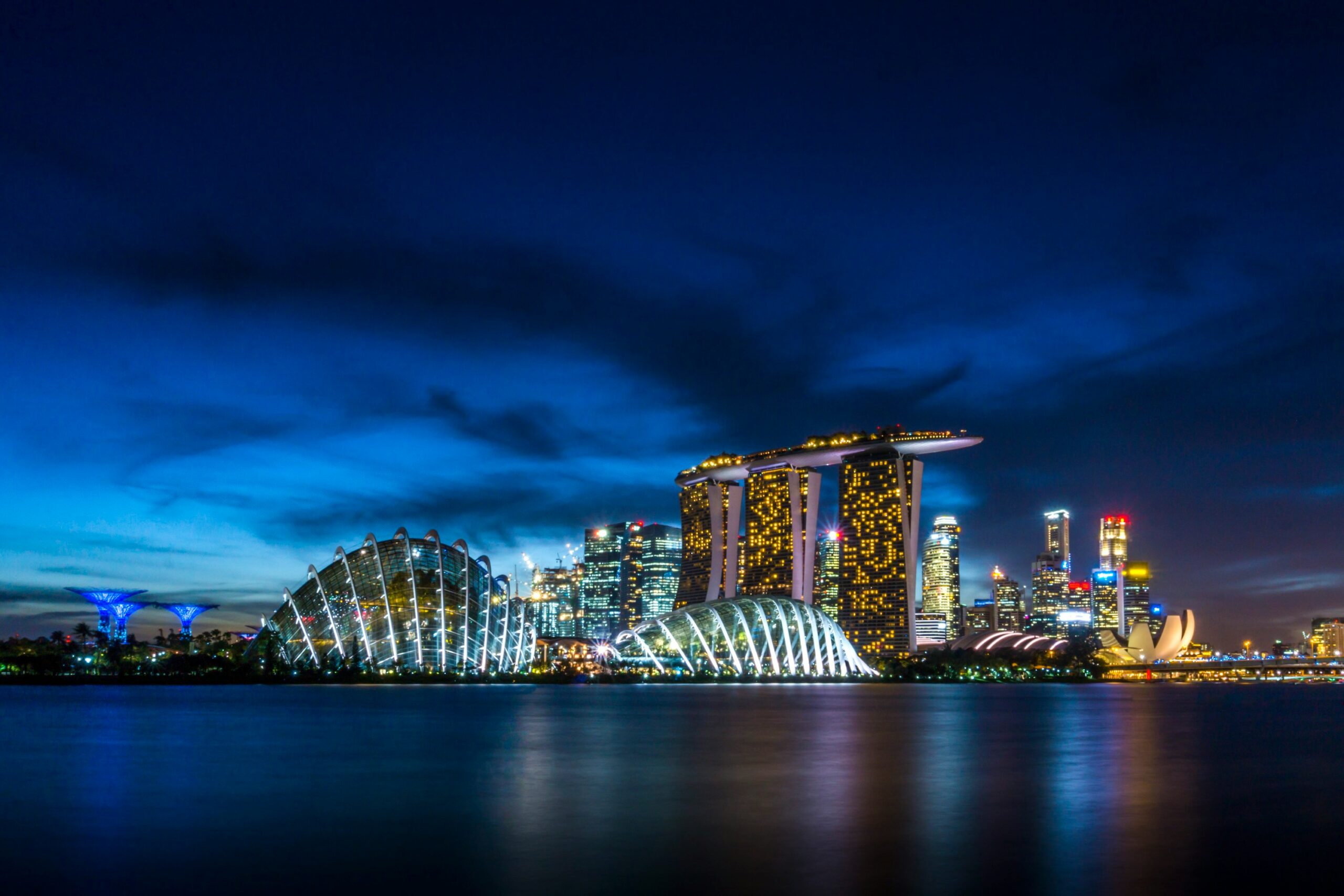
It is a good time to explore places such as Marina Bay, Gardens by the Bay, Singapore Botanic Gardens, Chinatown, and Sentosa.
If you enjoy walking around neighborhoods and spending time outdoors, this period can be a practical choice.
However, weather is never guaranteed in Singapore. You can still experience rain and high humidity, so lightweight clothing and an umbrella are useful.
Why Visit Singapore Between February and April?
Good period for sightseeing
Warm tropical weather
Suitable for outdoor attractions
Good for combining city walks and indoor activities
Generally comfortable for a first Singapore trip
If your schedule is flexible, this period is worth considering when choosing the best time to visit Singapore.
May to August: Hot, Humid and Busy
May through August can be hot and humid, but that does not mean you should avoid Singapore.
Many travelers visit during these months because school holidays and summer vacation schedules make travel easier.
The heat can make long walks tiring, particularly around midday. A simple solution is to start sightseeing early, take a break during the hottest part of the afternoon, and continue exploring later.
Shopping malls can also be useful because they provide air-conditioned places to rest between outdoor attractions.
Things to Remember During These Months
Drink plenty of water and avoid spending several continuous hours under the midday sun.
Lightweight clothes, comfortable shoes, sunglasses, and sunscreen can make a noticeable difference.
If you plan to visit Sentosa or other outdoor attractions, check the weather before leaving your hotel.
September to November: Rain Becomes More Important
September to November can bring more frequent rainfall, although showers do not necessarily last all day.
A rainy morning does not automatically mean you need to cancel your plans. Singapore has excellent indoor attractions, so you can simply adjust your schedule.
For example, if heavy rain affects your outdoor plans, you could visit a museum, enjoy a long lunch, explore a shopping mall, or spend time in another indoor attraction.
Once the rain stops, you can return to your outdoor itinerary.
This flexibility is one of the reasons Singapore remains a practical destination throughout the year.
December to January: Festive Season and Rain
December and January can be appealing because of the festive atmosphere, shopping, decorations, and events around the city.
Orchard Road can be particularly attractive during the holiday season, with seasonal decorations and a lively atmosphere.
However, these months can also bring significant rainfall. Travelers should therefore avoid creating an itinerary that depends entirely on outdoor activities.
December can also be a popular travel period, so accommodation and flights may be more expensive around major holidays.
If you want to visit during this period, booking important parts of your trip early is sensible.
Is Singapore Good to Visit During the Rainy Season?
Yes. Rain should not stop you from visiting Singapore.
Singapore is particularly easy to visit during wet weather because the city has plenty of indoor attractions, shopping centers, restaurants, museums, and covered areas.
The most useful approach is to have a Plan B.
For example:
Sunny morning:
Marina Bay → Merlion Park → Gardens by the Bay
Rainy afternoon:
Shopping → museum → café → indoor attraction
Clear evening:
Singapore River → Clarke Quay → Marina Bay
This kind of flexible planning can help you enjoy your trip even when the weather does not cooperate.
Best Time to Visit Singapore for Outdoor Attractions
If outdoor sightseeing is your main priority, try to avoid planning your longest walking days during the hottest part of the afternoon.
Early morning and late afternoon are often more comfortable for walking.
Places such as:
Gardens by the Bay
Singapore Botanic Gardens
Sentosa Island
East Coast Park
Fort Canning Park
Marina Bay
can be more enjoyable when you are not dealing with the strongest midday heat.
You should still be prepared for sudden rain.
Best Time to Visit Singapore for Families
Singapore is a popular destination for families because there are attractions suitable for both children and adults.
If you are traveling with children, weather becomes even more important because long periods of heat or rain can make sightseeing tiring.
A good strategy is to mix outdoor and indoor attractions.
For example, you could visit a major outdoor attraction in the morning and spend the afternoon at an indoor attraction or shopping area.
Sentosa, Universal Studios Singapore, Singapore Zoo, and Jewel Changi Airport can all be considered when planning a family trip.
Best Time to Visit Singapore on a Budget
If keeping your travel costs low is a priority, your best strategy is usually to avoid the busiest holiday periods and compare flight and hotel prices across several dates.
There is no single month when everything in Singapore suddenly becomes cheap.
Instead, prices can vary depending on school holidays, major events, weekends, and demand.
Traveling on weekdays may sometimes help reduce accommodation costs, while booking flights and hotels in advance can give you more options.
Before choosing your travel dates, compare prices for a few different weeks rather than immediately choosing one month.
Best Time to Visit Singapore for Shopping
Singapore is a strong destination for shopping throughout the year.
Orchard Road, Marina Bay, Bugis, and other shopping areas attract visitors regardless of the season.
If shopping is an important part of your trip, rainy weather can actually be convenient because you can spend more time inside malls and stores.
The holiday season can also create a lively shopping atmosphere, particularly around December.
However, travelers looking for lower prices should compare seasonal sales and promotions rather than assuming one particular month will always be cheapest.
Best Time to Visit Singapore for Festivals and Events
Singapore hosts events, celebrations, cultural activities, and festivals throughout the year.
The exact dates can change annually, so it is better to check the official event calendar before booking your trip around a particular festival.
Chinese New Year, Deepavali, Hari Raya celebrations, Christmas, and other cultural occasions can make different neighborhoods especially lively.
These periods can be excellent if you want to experience Singapore’s multicultural character.
At the same time, popular periods can mean more visitors and higher demand for hotels and flights.
What to Pack for Singapore Weather
No matter when you visit, packing for tropical weather is important.
Consider bringing:
Lightweight and breathable clothes
Comfortable walking shoes
A small umbrella
Sunglasses
Sunscreen
A reusable water bottle
A light rain jacket
A small backpack for day trips
An umbrella is particularly useful because rain can arrive unexpectedly.
You may also want to carry a small towel or tissues because Singapore’s humidity can make you feel sweaty after walking outdoors.
How Many Days Are Enough for Singapore?
The ideal length of a Singapore trip depends on how many attractions you want to visit.
For a quick first visit, 3 days can cover several major highlights.
With 4 to 5 days, you can explore more neighborhoods, spend time on Sentosa, visit gardens or museums, and enjoy Singapore at a slower pace.
If you have 7 days, you can explore beyond the main tourist attractions and include places such as Pulau Ubin, East Coast Park, and additional cultural areas.
More time does not necessarily mean you need to visit more attractions. It can simply allow you to enjoy the city without rushing.
Should You Check the Weather Before Each Day?
Absolutely.
Singapore’s weather can change quickly, so checking the forecast each morning is a simple but useful habit.
If the forecast shows heavy rain, move outdoor attractions to another day and choose indoor activities.
If the morning looks clear, start with your outdoor plans.
This simple approach is more practical than trying to predict the weather months in advance.
A Simple Weather-Friendly Singapore Itinerary
Here is an example of how you can plan a flexible trip.
Day 1: Central Singapore
Start with Marina Bay and Merlion Park in the morning.
Later, explore Gardens by the Bay and enjoy the skyline after sunset.
Day 2: Culture and Neighborhoods
Explore Chinatown in the morning.
Continue to Little India and Kampong Glam.
If it rains, spend more time inside restaurants, cafés, museums, or shopping areas.
Day 3: Sentosa
Spend most of the day on Sentosa Island.
Choose Universal Studios Singapore or another attraction depending on your interests.
Day 4: Nature and Shopping
Visit Singapore Botanic Gardens earlier in the day.
Later, explore Orchard Road.
This plan can easily be adjusted according to the weather.
What Is the Worst Time to Visit Singapore?
There is not really one “worst” month to visit Singapore.
Every period has advantages and disadvantages.
Some months may be wetter, some may feel hotter, and holiday periods can be busier or more expensive.
The bigger mistake is choosing travel dates without considering what you want to do.
If you dislike rain, plan around the periods that best match your preferences. If you dislike crowds, avoid major holiday periods. If budget is your priority, compare several travel dates before booking.
Singapore remains a year-round destination because its attractions are not dependent entirely on outdoor weather.
Final Thoughts
The best time to visit Singapore depends on your travel style more than a single perfect month.
February to April can be appealing for sightseeing, while the warmer months can still be enjoyable if you plan around the heat. Rainier periods are manageable because Singapore offers plenty of indoor attractions and efficient transportation.
Rather than waiting for perfect weather, focus on choosing suitable travel dates, booking accommodation at a reasonable price, and creating a flexible itinerary.
Pack light clothing, carry an umbrella, stay hydrated, and keep both outdoor and indoor activities in your plan. With a little preparation, Singapore can be an enjoyable destination at almost any time of year.