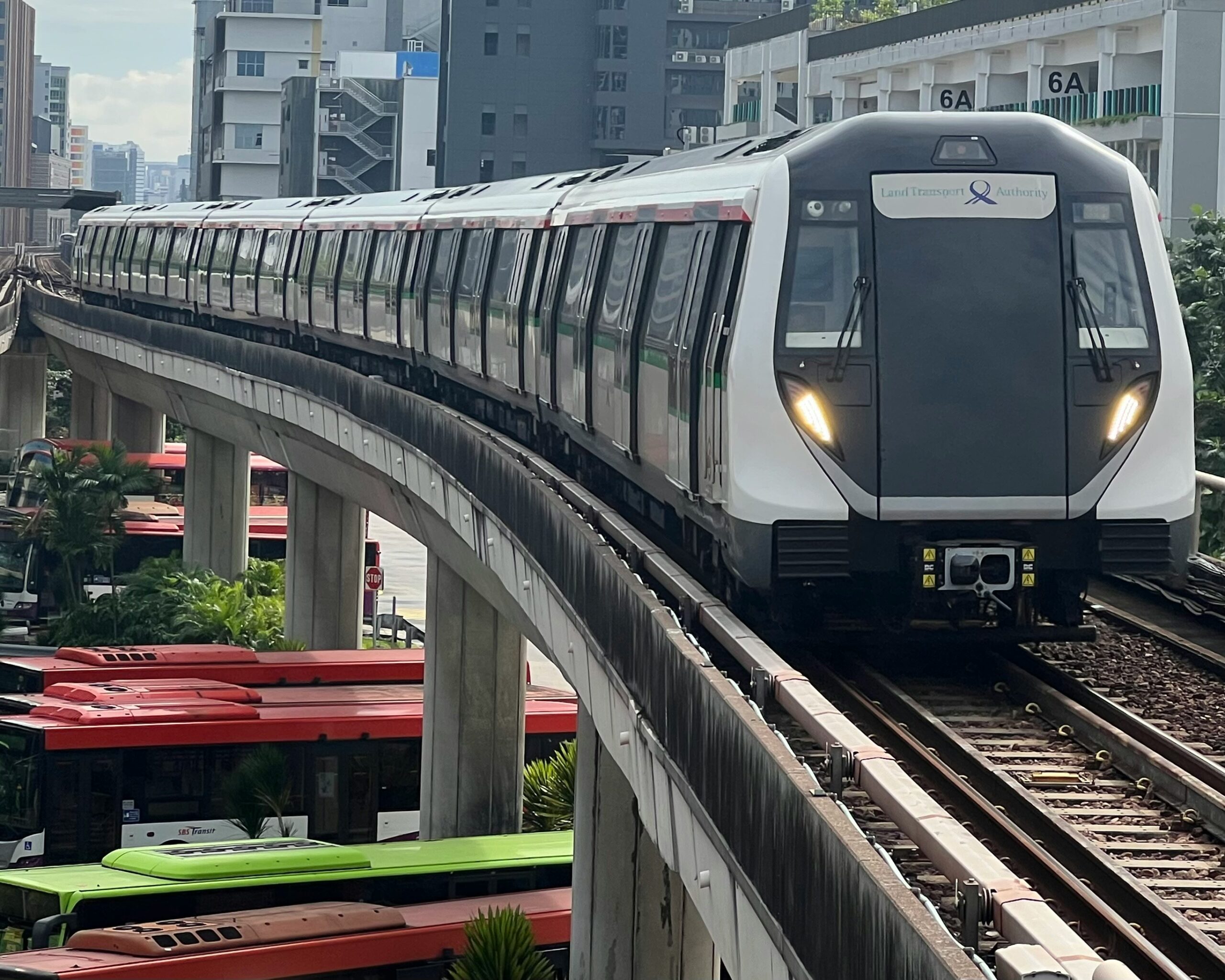
This Singapore Transportation Guide will help you understand the easiest ways to get around Singapore. The city has an excellent public transportation system, including the MRT, buses, taxis, and other convenient options.
Whether you are visiting Singapore for a short holiday or staying for a week, knowing how the transportation system works can help you save time, money, and unnecessary stress.
1. Singapore MRT – The Best Way to Get Around
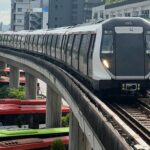
The MRT is usually the easiest and most affordable way to travel around Singapore. It connects many important tourist areas, shopping districts, residential neighborhoods, and attractions.
For most visitors, the MRT will be the main form of transportation during their trip. Stations are generally clean, organized, and easy to navigate, with signs available in English.
You can use the MRT to reach popular areas such as Marina Bay, Chinatown, Little India, Bugis, Orchard Road, and many other parts of the city.
The trains are also frequent, so you usually do not need to wait very long.
If you are staying near an MRT station, getting around Singapore becomes even more convenient.
2. Singapore Public Transportation Is Easy to Use
Singapore’s public transportation system includes the MRT and public buses. Together, they cover a large part of the city.
You can often combine the MRT with a short bus ride when an attraction is not directly beside a train station.
Google Maps and other navigation apps can be useful for checking routes, but it is still a good idea to understand the general MRT network before your trip.
For first-time visitors, the most useful habit is to check your route before leaving your hotel. Knowing the MRT station you need and where you have to change trains can make your journey much smoother.
3. How to Pay for Singapore Transportation
Visitors have several ways to pay for public transportation in Singapore. Depending on your situation, you may use a contactless bank card, mobile payment method, or a transportation card.
A contactless card can be particularly convenient because you do not have to buy a separate ticket for every journey.
Make sure your card or payment method is supported before relying on it throughout your trip. If you are traveling with several people, each person may need to use an appropriate payment method.
Keeping your transportation payment method consistent can also make it easier to keep track of your travel expenses.
4. Taking the Bus in Singapore
Singapore’s bus network is extensive and can take you to places that are not directly connected by the MRT.
Buses are especially useful for shorter journeys between neighborhoods or for reaching attractions that require a walk from the nearest MRT station.
The bus system can look slightly confusing at first because there are many routes, but navigation apps make it much easier to find the right bus.
If you have time, taking a bus can also be a pleasant way to see parts of Singapore beyond the main tourist areas.
5. Using Taxis in Singapore
Taxis are a convenient option when you want a direct journey without changing trains or buses.
They can be especially useful if you are carrying heavy luggage, traveling with children, or returning to your hotel late at night.
Taxi fares are higher than MRT or bus fares, but the extra cost can be worthwhile when convenience is your priority.
Before getting into a taxi, make sure you understand how the fare will be calculated. Additional charges may apply depending on the time, location, or type of taxi.
6. Ride-Hailing Apps in Singapore
Ride-hailing services are another popular option for travelers who prefer private transportation.
They can be useful when public transportation is inconvenient or when you are traveling with several people and can share the cost.
One advantage of ride-hailing is that you can usually see the estimated fare before confirming your journey.
However, prices can change depending on demand and traffic. During busy periods, a private ride may cost significantly more than taking the MRT.
For most sightseeing days, public transportation is usually the better choice, while ride-hailing can be saved for situations where it provides extra convenience.
7. Walking Around Singapore
Walking is an underrated way to explore Singapore.
Many attractions and neighborhoods are located relatively close to each other, making walking a practical option for short distances.
For example, you can explore areas around Marina Bay on foot and combine several attractions in one outing.
Walking is also a great way to discover local streets, cafés, shops, architecture, and small cultural details that you might miss while traveling by train or car.
The main challenge is Singapore’s tropical weather. The heat and humidity can make long walks tiring, especially during the middle of the day.
Carry water, wear comfortable shoes, and take breaks when necessary.
8. Getting Around Marina Bay
Marina Bay is one of the easiest areas to explore on foot.
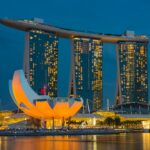
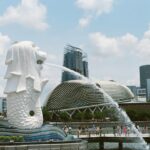
You can walk between several major attractions, including the Merlion area, Marina Bay Sands, Gardens by the Bay, and the waterfront.
Instead of taking transportation for every short journey, consider spending several hours exploring this area by walking.
It is particularly enjoyable in the evening when the weather becomes more comfortable and the city lights create a beautiful atmosphere.
9. Getting Around Chinatown
Chinatown is another neighborhood where walking works extremely well.
Once you arrive at the area, you can explore temples, food streets, shops, markets, and restaurants without needing transportation between every stop.
The neighborhood is compact enough that walking can actually be faster than taking a vehicle for short distances.
If you enjoy food and culture, allow yourself plenty of time to explore Chinatown rather than simply visiting one attraction and leaving.
10. Getting Around Little India
Little India is also suitable for walking.
The area is known for its colorful streets, Indian restaurants, shops, temples, and cultural attractions.
The MRT makes it easy to reach Little India, after which you can explore much of the neighborhood on foot.
Wear comfortable footwear because you may spend more time walking than you originally expect.
11. Getting to Sentosa Island
Sentosa is one of Singapore’s most popular destinations, and there are several ways to get there.
You can reach Sentosa using public transportation and then continue by walking or using local transportation on the island.
Another option is the Singapore Cable Car, which provides a more scenic experience.
If your main goal is to visit Universal Studios Singapore or spend time at the beaches, check the best route before leaving your hotel.
Sentosa can easily take up most of a day, so it is usually better to group several activities together instead of traveling back and forth.
12. Getting From Changi Airport to the City
Singapore Changi Airport is well connected to the city.
The MRT is one of the most affordable ways to travel between the airport and central Singapore. Depending on your destination, you may need to change trains.
Taxis and ride-hailing services are more convenient if you have several bags or arrive late at night.
Another advantage of staying near an MRT station is that airport transportation becomes much easier to manage.
When booking your hotel, check the distance from the nearest MRT station rather than looking only at the hotel price.
13. Singapore Transportation From the Airport With Luggage
Traveling with luggage can change which transportation option is best.
If you have only a small backpack or suitcase, the MRT may be perfectly comfortable.
However, travelers with several large bags may prefer a taxi or private ride, especially after a long international flight.
If your hotel requires multiple transfers, spending more on a direct ride may be worth it.
Think about convenience as well as price when choosing your airport transfer.
14. Is Renting a Car in Singapore Necessary?
For most tourists, renting a car in Singapore is unnecessary.
The public transportation system is good enough that visitors can reach most major attractions without driving.
Driving can also add extra expenses such as rental fees, parking, fuel, and other charges.
Unless you have a specific reason to drive or plan to explore places where public transportation is inconvenient, you can comfortably visit Singapore without renting a car.
For a typical first-time trip, the MRT, buses, walking, and occasional taxis are more practical.
15. Singapore Transportation at Night
Singapore is generally easy to explore in the evening, but transportation planning becomes more important later at night.
MRT services do not operate all night, so check the last train times if you plan to stay out late.
Taxis and ride-hailing services can be useful after public transportation becomes less convenient.
If you are staying near major nightlife areas such as Clarke Quay, consider how you will return to your hotel before starting your evening.
Planning this in advance can save you from having to search for transportation when you are tired.
16. Transportation to Gardens by the Bay
Gardens by the Bay is one of Singapore’s most famous attractions.
You can reach the area by MRT and then walk to the gardens.
Because the attraction covers a large area, expect to do quite a lot of walking once you arrive.
A good plan is to combine Gardens by the Bay with other nearby Marina Bay attractions on the same day.
This reduces unnecessary transportation and gives you more time to enjoy the area.
17. Transportation to Singapore Zoo and Night Safari
Singapore Zoo and Night Safari are located farther from the central tourist districts than attractions such as Chinatown or Marina Bay.
Public transportation can get you closer to the area, but the journey takes longer.
If you are traveling with children or planning to visit both attractions, a taxi or ride-hailing service may provide extra convenience.
Check your return transportation before visiting the Night Safari, especially if you expect to leave late.
18. How Much Does Singapore Transportation Cost?
Transportation costs in Singapore depend on how often you travel and which options you use.
MRT and bus journeys are generally the most budget-friendly choices. Walking is, of course, free.
Taxis and ride-hailing services can increase your daily spending, particularly when used several times a day.
A simple way to control transportation costs is to group nearby attractions together.
For example, instead of traveling across the city several times in one day, plan one area for the morning and nearby attractions for the afternoon.
This saves both time and transportation costs.
19. Best Transportation Option for First-Time Visitors
For most first-time visitors, the best combination is:
MRT: for longer journeys around the city
Bus: for places not directly connected by MRT
Walking: for exploring individual neighborhoods
Taxi or ride-hailing: when convenience is more important than cost
Cable car: when you want a scenic experience
You do not need to use just one transportation method throughout your trip.
The smartest approach is to choose transportation based on distance, weather, luggage, time, and your daily itinerary.
20. Singapore Transportation Tips for Travelers
A few simple habits can make transportation much easier.
Stay near an MRT station: This can save a surprising amount of time during your trip.
Plan by area: Visit nearby attractions together instead of constantly crossing the city.
Wear comfortable shoes: Walking is often part of every sightseeing day.
Carry water: Singapore’s heat and humidity can make journeys tiring.
Check your route: Look at your transportation options before leaving your hotel.
Keep some flexibility: Rain can change your walking plans, so be ready to switch to the MRT, bus, or a taxi.
Travel outside peak times when possible: Crowded trains and buses can be less comfortable during busy periods.
Singapore Transportation Guide for First-Time Visitors
If this is your first trip to Singapore, you do not need to become an expert in the entire transportation network.
Start with the MRT. It will probably be the most useful transportation option during your trip.
Use buses when they provide a more convenient route, walk when attractions are close together, and use taxis or ride-hailing services when you need extra comfort.
The biggest mistake is trying to plan every journey separately without considering your overall itinerary.
Instead, organize your sightseeing by neighborhood. This allows you to see more attractions while spending less time traveling between different parts of the city.
Common Transportation Mistakes to Avoid in Singapore
One common mistake is taking a taxi for every journey. While private transportation is convenient, the cost can quickly add up.
Another mistake is underestimating walking distances. A destination may look close on a map but still involve a long walk in Singapore’s heat.
Some travelers also forget to check the last MRT service when planning a late evening.
Finally, do not assume that the cheapest transportation option is always the best. If you have heavy luggage or are exhausted after a long day, paying a little more for a direct ride may be worthwhile.
Final Thoughts
Singapore has one of the most convenient transportation systems for tourists in Asia. The MRT and buses make it affordable to explore the city, while taxis and ride-hailing services provide extra convenience when you need them.
The best strategy is to combine different transportation options rather than depending on just one. Use the MRT for longer journeys, walk around neighborhoods, take buses when useful, and choose a taxi or private ride when it saves significant time or effort.
With a little planning, getting around Singapore can be simple, affordable, and stress-free. Once you understand the basic system, you can spend less time worrying about transportation and more time enjoying everything Singapore has to offer