How much does a trip to Singapore cost? The answer depends on your travel style, accommodation, food choices, transportation, and the attractions you want to visit. Singapore can be an expensive destination, but with careful planning, you can enjoy the city without spending a huge amount of money.
A backpacker can keep daily spending relatively low by choosing a hostel, eating at hawker centres, and using public transportation. A mid-range traveler may spend more on hotels and restaurants, while a luxury traveler can easily spend several times more.
This guide breaks down the main expenses, including accommodation, food, transportation, attractions, shopping, and other common costs. It also includes sample budgets to help you plan your own Singapore trip.
Singapore Travel Costs at a Glance
Official Singapore tourism website:
Before looking at individual expenses, it helps to understand the three common travel styles.
Budget traveler:
Hostel or basic accommodation, hawker-centre meals, public transportation, and mostly free attractions.
Mid-range traveler:
Comfortable hotel, a mix of local food and restaurants, MRT and occasional taxis, plus several paid attractions.
Luxury traveler:
High-end hotel, fine dining, private transportation, premium attractions, shopping, and other experiences.
Your actual budget can be somewhere between these categories.
The good news is that Singapore has many free or low-cost things to do, so you can control your spending if you plan carefully.
How Much Does a Trip to Singapore Cost Per Day?
For a general idea, excluding international flights, a traveler might plan roughly:
Budget: around $50–$90 per person per day
Mid-range: around $100–$180 per person per day
Luxury: $250+ per person per day
These are planning ranges rather than fixed prices. Hotel rates can change significantly depending on dates, location, weekends, holidays, and demand.
If you are traveling as a couple and sharing a hotel room, your accommodation cost per person can also be lower than if you travel alone.
For most first-time visitors, a mid-range budget provides a comfortable balance between convenience and cost.
Singapore Accommodation Costs
Accommodation is usually one of the biggest parts of a Singapore travel budget.
The city has everything from hostel dormitories to luxury hotels, so your choice of accommodation can dramatically change your total spending.
Hostels and Budget Accommodation
Solo travelers and backpackers can look for hostel dormitories or simple budget rooms.
A hostel can be a good option if you spend most of your day exploring and mainly need a clean place to sleep.
Some budget accommodations are located outside the most central tourist areas, but Singapore’s efficient public transportation makes commuting relatively easy.
When choosing a cheap place to stay, do not look only at the room price. Check how close it is to an MRT station and how long it takes to reach the attractions you want to visit.
Mid-Range Hotels
For many visitors, a mid-range hotel offers the best balance.
You can find comfortable rooms with useful facilities while avoiding the prices of luxury properties.
Areas such as Bugis, Little India, Chinatown, Lavender, and other well-connected neighborhoods can be worth considering.
A hotel near an MRT station can save both time and transportation costs.
Luxury Hotels
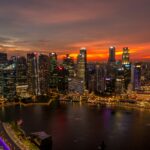
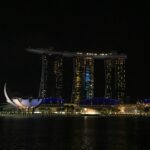
Singapore has no shortage of luxury hotels, especially around areas such as Marina Bay and Orchard Road.
Luxury accommodation can significantly increase your overall trip cost, but it may be worthwhile if the hotel itself is an important part of your vacation.
If you are trying to control expenses, however, there is little reason to spend most of your budget on a hotel when you plan to spend most of your day sightseeing.
Singapore Food Costs
Food is one area where you can save money without sacrificing the experience.
Singapore is famous for its hawker centres, where you can find many local dishes at much lower prices than in upscale restaurants.
Eating at Hawker Centres
Hawker centres are one of the best choices for budget-conscious travelers.
You can try local favorites such as chicken rice, laksa, noodles, satay, and other Singaporean dishes without spending a lot on every meal.
For travelers who want to experience local food, eating at hawker centres is not simply a money-saving trick. It is also an important part of experiencing Singapore’s food culture.
Casual Restaurants
If you prefer a comfortable restaurant setting, expect to spend more.
Casual restaurants can be a good middle ground between hawker centres and fine dining.
You can also mix your meals. For example, have breakfast at a café, lunch at a hawker centre, and dinner at a restaurant.
This approach gives you variety without making every meal expensive.
Fine Dining
Singapore has a large selection of high-end restaurants, including restaurants offering international cuisines and premium dining experiences.
Fine dining can quickly increase your daily budget.
If you are interested in trying one special restaurant, consider making it part of your trip rather than eating at expensive restaurants for every meal.
Singapore Transportation Costs
Transportation in Singapore is relatively easy to manage.
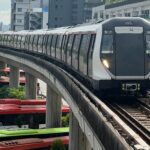
The MRT and public buses connect many major tourist areas, and they are usually much more economical than using taxis for every journey.
For most visitors, public transportation should be the main way to get around.
MRT and Buses
The MRT is especially useful for reaching popular areas and attractions.
You can use public transportation for many everyday journeys instead of taking taxis.
Planning your route before leaving your hotel can also help reduce unnecessary travel.
If you are staying near an MRT station, getting around becomes even easier.
Taxis and Ride-Hailing
Taxis and ride-hailing services are useful when you have heavy luggage, are traveling late, or are going somewhere that is inconvenient by public transportation.
However, using them frequently can increase your travel costs considerably.
A good strategy is to use public transportation for most journeys and taxis only when they genuinely save time or effort.
Airport Transportation
Getting from Changi Airport to your accommodation can also be done using public transportation or other transport options.
Your choice will depend on your arrival time, luggage, hotel location, and number of travelers.
For solo travelers, the cheapest practical option can make sense. For a group, splitting the cost of a taxi or private ride may sometimes be more convenient.
Attraction Costs in Singapore
Another major part of your budget depends on how many paid attractions you want to visit.
Singapore has many famous attractions, but not everything requires an admission ticket.
You can enjoy places such as Marina Bay, Merlion Park, Chinatown, Little India, Kampong Glam, and several public areas without paying an entrance fee.
However, attractions such as theme parks, certain gardens and exhibits, wildlife parks, and other major experiences can add significantly to your budget.
Free Things to Do
Travelers on a tight budget can enjoy plenty of free experiences.
Consider:
Walking around Marina Bay
Visiting Merlion Park
Exploring Chinatown
Walking through Little India
Exploring Kampong Glam
Visiting public areas around Gardens by the Bay
Walking along the Singapore River
Exploring Fort Canning Park
Spending time around East Coast Park
These activities allow you to experience Singapore without buying tickets every day.
Paid Attractions
If you want to visit several major ticketed attractions, plan your budget before arriving.
For example, a family visiting Sentosa, a theme park, and wildlife attractions can spend much more than a solo traveler who focuses mainly on neighborhoods and free sights.
Choose the attractions that genuinely interest you instead of buying tickets simply because they are popular.
Singapore Shopping Budget
Singapore can be an expensive shopping destination, but shopping costs depend entirely on what you buy.
If you are not interested in shopping, you can easily keep this part of your budget close to zero.
Orchard Road, Bugis, Marina Bay, and other shopping areas offer everything from affordable items to luxury brands.
If you want souvenirs, set a specific amount before your trip.
This prevents small purchases from quietly turning into a large expense by the end of your holiday.
Singapore Travel Costs for Couples
Traveling as a couple can sometimes reduce your per-person costs because you can share accommodation and certain transportation expenses.
For example, instead of paying separately for two rooms, you can share one hotel room.
A couple could choose a comfortable mid-range hotel, eat some meals at hawker centres, use public transportation, and select a few paid attractions.
This can provide a comfortable trip without requiring a luxury-level budget.
If you want to save more, focus on accommodation and dining first because these categories usually offer the most flexibility.
Singapore Travel Costs for Families
Families need to plan a little differently because attraction tickets and food costs multiply quickly.
A family visiting Singapore may spend more on attractions such as theme parks, wildlife experiences, and other child-friendly activities.
Accommodation also matters. A family room or larger hotel room may cost more than a basic room for one or two people.
One way to control costs is to combine paid attractions with free activities.
For example, you could spend one day visiting a major paid attraction and another day exploring Chinatown, Marina Bay, and other free areas.
This creates variety without paying entrance fees every day.
How Much Money Do You Need for 3 Days in Singapore?
For a three-day trip, your budget depends heavily on accommodation and activities.
Budget Traveler
A budget traveler could aim for roughly $150–$270 per person, excluding international flights.
This could include:
Hostel accommodation
Hawker-centre meals
MRT and buses
Mostly free attractions
One or two inexpensive activities
Mid-Range Traveler
A mid-range traveler might spend around $300–$540 per person, excluding international flights.
This could include:
Comfortable hotel
Local food and casual restaurants
Public transportation
Several paid attractions
Some shopping or other activities
Luxury Traveler
A luxury trip can easily exceed $750 per person for three days, especially when choosing premium accommodation, restaurants, private transportation, and expensive experiences.
These numbers are only planning estimates. Your actual spending can be lower or considerably higher.
How Much Does a Trip to Singapore Cost for 5 Days?
Five days gives you more time to explore the city without rushing, but it also means more nights of accommodation and more meals.
A rough planning range, excluding international flights, could be:
Budget: $250–$450 per person
Mid-range: $500–$900 per person
Luxury: $1,250+ per person
A five-day trip also gives you more opportunity to mix expensive and inexpensive activities.
For example, you might visit a major paid attraction one day and spend the next day exploring free neighborhoods and public spaces.
How to Save Money on a Singapore Trip
Singapore does not have to be extremely expensive if you make smart choices.
Stay Near Public Transportation
A slightly cheaper hotel near an MRT station can sometimes be a better choice than an expensive hotel in the heart of a tourist district.
You may save money on accommodation while still reaching attractions easily.
Eat Like a Local
Hawker centres can significantly reduce your food budget.
Try local dishes instead of eating at international restaurants for every meal.
Choose Free Attractions
You do not need a paid attraction every day.
Singapore’s neighborhoods, parks, waterfronts, and public spaces provide plenty of things to explore.
Use Public Transportation
The MRT and buses can help you avoid spending heavily on taxis.
Avoid Unnecessary Shopping
Set a souvenir and shopping budget before your trip.
Travel During Less Busy Periods
Hotel and flight prices can vary depending on travel dates.
If your schedule is flexible, compare several dates before booking.
Extra Costs You Should Remember
When calculating how much does a trip to Singapore cost, travelers sometimes forget smaller expenses.
Consider setting aside money for:
Travel insurance
SIM card or mobile data
Airport transfers
Drinks and snacks
Attraction tickets
Souvenirs
Laundry
Unexpected transportation
Emergency expenses
These costs may seem small individually, but together they can affect your final budget.
Sample 5-Day Singapore Budget
Here is a simple example for a mid-range traveler:
Accommodation: $350
Food: $200
Transportation: $60
Attractions: $150
Shopping: $75
Miscellaneous: $65
Estimated total: around $900 per person, excluding international flights.
This is only an example. A traveler who chooses cheaper accommodation and more free attractions could spend considerably less.
Someone staying at a luxury hotel and dining at expensive restaurants could spend much more.
Is Singapore Expensive Compared With Other Southeast Asian Destinations?
Singapore is generally more expensive than many popular Southeast Asian destinations, particularly when it comes to accommodation and some types of dining and entertainment.
However, the difference becomes smaller if you use public transportation, eat at hawker centres, and choose reasonably priced accommodation.
The biggest mistake is assuming you need to spend a lot simply because Singapore is known as an expensive city.
With some planning, budget and mid-range travelers can enjoy many of the city’s highlights without spending excessively.
Final Thoughts
So, how much does a trip to Singapore cost? For most travelers, the answer depends on accommodation, food, transportation, and how many paid attractions they choose.
A budget traveler can keep daily spending relatively controlled by staying in a hostel, eating at hawker centres, using public transportation, and focusing on free attractions. A mid-range traveler can enjoy a comfortable hotel, a mixture of local and restaurant meals, and several paid experiences without moving into luxury spending.
The best approach is to decide your travel style before booking anything. Set a daily budget, choose your accommodation carefully, and leave some extra money for unexpected expenses.
Singapore may be one of Southeast Asia’s more expensive destinations, but with the right planning, you do not need a luxury budget to have a memorable trip.