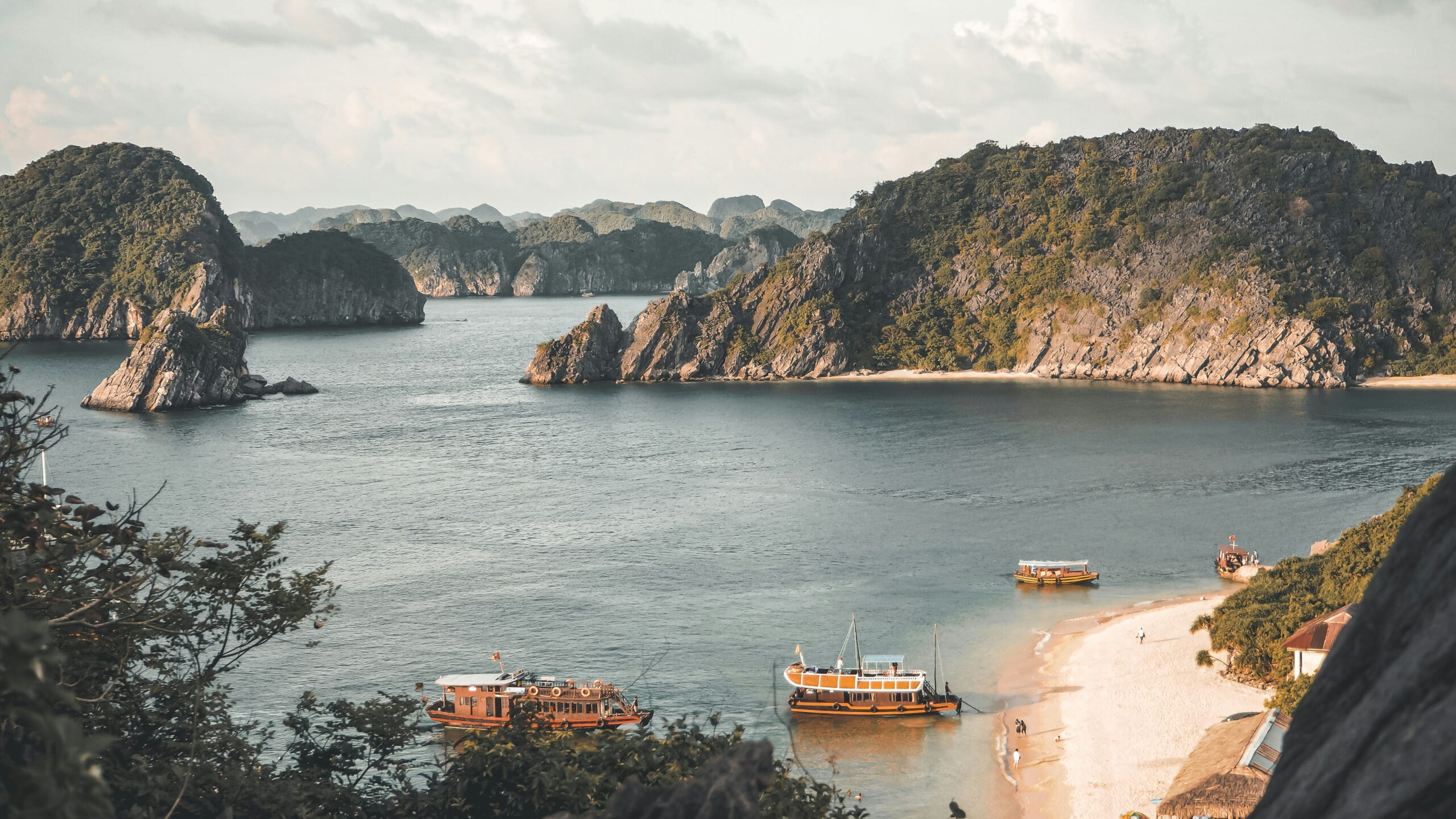
- Planning your first trip to Vietnam? This Vietnam Travel Guide for First-Time Visitors covers the best places to visit, local food, transportation, and useful tips to help you plan your trip with confidence.
If you are visiting Vietnam for the first time, you may have many questions. Where should you go? How many days are enough? What food should you try? Is it easy to travel between cities? Where should you stay?
These are important questions because Vietnam is a long country, and the experience can be very different from one region to another.
The good thing is that you do not need to visit every famous place on your first trip. A well-planned itinerary with a few destinations can actually be much more enjoyable than trying to see everything in a hurry.
In this guide, I will share some of the most useful things to know before visiting Vietnam, especially if this is your first international trip to the country.
Why Should You Visit Vietnam?
There are many reasons to put Vietnam on your travel list.
For some people, the biggest attraction is the food. Vietnamese cuisine has become popular around the world, and eating local dishes in Vietnam can be a completely different experience.
For others, the natural scenery is the main reason to visit. From limestone islands and green mountains to beaches and countryside, there are many beautiful landscapes to explore.
Vietnam is also interesting for travelers who enjoy history and culture. Old buildings, traditional markets, temples, local neighborhoods, and historic streets can give you a better understanding of the country.
Another advantage is that you can create very different types of trips here. You can plan a relaxing vacation, a food-focused trip, a cultural journey, or an adventure-filled holiday.
Hanoi: A Great Place to Start
Hanoi is the capital of Vietnam and one of the most popular places for first-time visitors.
The city has an interesting combination of traditional and modern life. You can walk through busy streets, visit historical sites, enjoy local food, and spend time in small cafés.
One of the most interesting areas is the Old Quarter. The streets can be busy, but that is also part of the experience.
Instead of rushing from one attraction to another, take some time to walk around the neighborhood. You may find small food shops, local stores, cafés, and interesting street scenes that are not always mentioned in travel guides.
Hanoi is also a good base for visiting other attractions in northern Vietnam.
-
Ha Long Bay: A Natural Highlight
Ha Long Bay is one of Vietnam’s most famous natural attractions.
The area is known for its limestone islands and rock formations rising from the sea. A boat trip is one of the most popular ways to experience the scenery.
If you enjoy photography and nature, Ha Long Bay can be a memorable part of your Vietnam trip.
However, weather can affect boat trips. Before booking, check the expected conditions and understand the cancellation or rescheduling policy.
If you have enough time, staying overnight on a boat or spending more time in the area may give you a more relaxed experience than trying to visit everything in just a few hours.
Hoi An: A Different Side of Vietnam
Hoi An offers a very different atmosphere from Hanoi and Ho Chi Minh City.
The old town has historic buildings, narrow streets, small shops, restaurants, cafés, and a more relaxed atmosphere.
Many visitors enjoy exploring Hoi An in the evening when the streets become especially attractive.
One thing I like about destinations such as Hoi An is that you do not need a strict schedule.
You can simply walk around, stop for a drink, try local food, take photos, and enjoy the atmosphere.
If you prefer slow travel rather than a busy sightseeing schedule, Hoi An can be a very good choice.
Ho Chi Minh City: For a Busy City Experience
Ho Chi Minh City is one of the largest and busiest cities in Vietnam.
The atmosphere here can feel very different from Hanoi. There are busy streets, modern buildings, restaurants, cafés, markets, shopping areas, and historical attractions.
If you enjoy city life, you may find plenty to do here.
One thing to remember is traffic. The distance between two attractions may look short on a map, but heavy traffic can make the journey take longer than expected.
Because of this, it is better to group attractions that are close to each other rather than planning places on opposite sides of the city on the same day.
Vietnamese Food You Should Try
For many travelers, food becomes one of the best parts of a Vietnam trip.
Vietnamese cuisine uses fresh ingredients, herbs, noodles, rice, vegetables, and different types of meat and seafood.
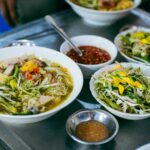
Pho is probably the most internationally recognized Vietnamese dish. But there is much more to try than Pho.
Depending on the region, you may find different noodle dishes, rice dishes, spring rolls, sandwiches, seafood, desserts, and street snacks.
If you are trying Vietnamese food for the first time, don’t feel like you have to order a huge meal.
Try small portions when possible and see what you actually enjoy.
Street food can also be a fun part of the experience, but pay attention to cleanliness and food preparation.
A busy food stall with a steady flow of customers can sometimes be a useful sign, but you should still use your own judgment.
Getting Around Vietnam
Transportation is an important part of planning a Vietnam trip.
Within cities, travelers can use taxis, ride-hailing services, buses, and other local transportation options.
For longer distances, flights, trains, and buses can be useful depending on your route.
If you are planning to visit several cities, compare both price and travel time before making a decision.
A cheaper bus ticket may save money but take many more hours.
On the other hand, a domestic flight may cost more but give you several extra hours at your destination.
Your choice should depend on both your budget and how much time you have.
Choosing the Right Hotel
Hotel location is more important than many first-time travelers realize.
Don’t choose a hotel only because it has the lowest room price.
Check how close it is to restaurants, public transportation, shops, and the places you want to visit.
A cheap hotel far away from everything may cost you more in transportation and time.
Before booking, read recent guest reviews.
Pay special attention to comments about cleanliness, noise, location, staff, and whether the photos match the actual property.
If possible, look at the hotel location on a map before making the final booking.
How Many Days Do You Need?
There is no single answer because it depends on what you want to see.
If you only have four or five days, it may be better to focus on one main city and nearby attractions.
With around a week, you can add another destination if the transportation works well with your schedule.
If you have 10 days or more, you can consider visiting different regions of Vietnam.
However, don’t make the common mistake of changing hotels every day just to see more places.
Traveling constantly can become tiring, and you may spend more time packing and traveling than actually enjoying the destination.
Sometimes visiting fewer places and staying longer is a much better travel experience.
What Should You Pack?
Before leaving for Vietnam, make sure your important travel documents are ready.
Keep your passport, visa or entry documents if required, flight information, hotel booking details, and important contact information accessible.
It is also a good idea to keep digital copies of important documents.
Pack clothes according to the weather in the areas you are visiting.
If you plan to walk a lot, comfortable shoes are essential.
A small umbrella or rain protection can also be useful depending on the season.
A power bank is another practical item, especially if you use your phone for maps, translation, transportation, and taking photos throughout the day.
Respect Local Culture
When traveling to another country, respecting local culture is just as important as visiting famous attractions.
If you visit a religious or cultural site, follow the local dress and behavior rules.
Don’t photograph people closely without considering whether they are comfortable with it.
In residential neighborhoods and local markets, remember that people are going about their everyday lives.
You are visiting their country as a traveler, so being polite and respectful can make your experience better.
Learning a few simple Vietnamese words can also be a nice gesture, even if you mainly communicate through English or translation apps.
Common Mistakes First-Time Visitors Should Avoid
One common mistake is trying to visit too many destinations in a short period.
Vietnam is larger than it may look on a map, and traveling between regions can take time.
Another mistake is ignoring travel time when planning the itinerary.
If you plan five attractions in one day but each location requires a long journey, the day can quickly become stressful.
Some travelers also focus only on famous tourist attractions.
Of course, famous places are worth visiting, but local markets, cafés, food stalls, and ordinary neighborhoods can sometimes give you a more memorable experience.
Finally, don’t plan every minute of your vacation.
Leave some free time.
You may discover a place you want to stay longer, find a restaurant you really like, or simply want to rest after a busy day.
Create an Itinerary That Fits You
You don’t need to copy someone else’s Vietnam itinerary.
Think about what you personally enjoy.
If you love food, spend more time exploring local restaurants and markets.
If history interests you, choose destinations with historical and cultural attractions.
If nature is your priority, include places such as Ha Long Bay and other scenic destinations.
If you simply want a relaxing holiday, don’t overload your schedule with too many cities.
The best itinerary is not necessarily the one that includes the most places.
It is the one that gives you enough time to actually enjoy the places you visit.
A Few Practical Tips Before Your Trip
Before traveling, check current entry requirements and make sure your travel documents are valid.
Check the weather for each destination because conditions can vary between regions.
Keep some emergency money separate from your daily spending budget.
Use maps and translation tools when necessary, especially if you are traveling outside major tourist areas.
Also, don’t be afraid to ask hotel staff or reliable local sources for help when you are unsure about transportation or directions.
A little preparation can prevent many small problems.
Final Thoughts
Vietnam can be an excellent destination for first-time travelers who want a combination of food, culture, nature, history, and city life.
Hanoi offers a traditional and energetic atmosphere. Ha Long Bay provides beautiful natural scenery. Hoi An is ideal for travelers who enjoy a slower pace, while Ho Chi Minh City offers a much busier urban experience.
But Vietnam is not only about famous attractions.
Some of the best memories may come from simple moments—a bowl of local food at a small restaurant, walking through a busy market, sitting in a café while watching the streets, or exploring a quiet neighborhood.
If this is your first trip to Vietnam, don’t try to see the entire country in one vacation.
Choose a few destinations that match your interests and give yourself enough time to enjoy them.
Plan your transportation carefully, choose your hotel location wisely, try local food, respect the culture, and keep some flexibility in your schedule.
A good Vietnam trip is not about checking the largest number of places off a list. It is about having enough time to experience the country in your own way.
With a little planning and an open mind, Vietnam can become much more than just another destination on your travel list. It can be a trip full of food, new experiences, beautiful scenery, and memories that stay with you long after you return home. 🇻🇳