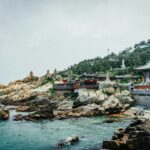
Planning a Thailand trip on a budget? Understanding your Thailand Travel Budget can help you manage hotels, food, transportation, and activities while avoiding unnecessary expenses.
The good thing is that Thailand can work for different types of travelers. Someone traveling on a tight budget can keep costs under control, while another traveler may prefer comfortable hotels, private transportation, and more expensive experiences.
For me, the best way to travel on a budget is not to make everything as cheap as possible. It is to spend money on the things that matter most to you and avoid wasting money on things that don’t add much to the trip.
If you are planning your first Thailand vacation, here are some practical ways to manage your travel budget without making the trip uncomfortable.
Start With a Realistic Budget
Before booking anything, decide how much you are actually comfortable spending.
Don’t only think about the hotel and flight. A Thailand trip can include many smaller expenses that are easy to forget.
Your budget should include accommodation, transportation, food, sightseeing, shopping, travel insurance, internet access, and emergency expenses.
I also recommend keeping some extra money aside instead of planning to spend every last amount.
Something unexpected can always happen during a trip. A change of transportation, an extra hotel night, or an activity you suddenly want to try can increase your expenses.
Having a small emergency budget gives you more freedom and less stress.
Accommodation Can Make a Big Difference
Your hotel may become one of the biggest parts of your travel budget.
There are many types of accommodation in Thailand, from simple guesthouses and hostels to comfortable hotels and luxury resorts.
The cheapest option is not always the best option, though.
A very cheap hotel far away from the places you want to visit may force you to spend more money on transportation every day.
Before booking, check the location carefully.
Look at the map and see whether restaurants, public transportation, shops, and other useful places are nearby.
Sometimes paying a little more for a better location can actually save money over the whole trip.
Consider Traveling During Less Busy Periods
Travel costs can change depending on the season.
During busy travel periods, hotels and flights may become more expensive, especially in popular destinations.
If your schedule is flexible, compare different travel dates before making your bookings.
Even changing your trip by a few days can sometimes make a noticeable difference.
You don’t necessarily have to travel during the cheapest possible period. Just comparing several dates can help you find better value.
Before booking, also check the weather conditions for the destinations you plan to visit.
Saving money is not useful if the timing makes your planned activities difficult.
Don’t Move Between Too Many Destinations
This is one of the easiest ways to control a Thailand travel budget.
Some travelers try to visit as many places as possible during a short trip.
At first, that sounds exciting.
But every move can cost money.
You may need another bus, train, flight, ferry, taxi, or hotel transfer. You also lose valuable time while checking out, traveling, and checking in again.
Instead of trying to see everything, choose a few destinations that genuinely interest you.
A slower trip can be cheaper and much more relaxing.
You will also have more time to enjoy each place rather than constantly worrying about the next departure.
Use Public Transportation When It Makes Sense
Transportation costs can slowly add up during a vacation.
If you use private taxis for every journey, your daily expenses can become much higher than expected.
In cities where public transportation is convenient, consider using it for some journeys.
Trains and other public transport options can be useful, especially for longer journeys within busy urban areas.
That does not mean you should avoid taxis completely.
If you have heavy luggage, are traveling with several people, or are going somewhere difficult to reach, a taxi may be worth the extra cost.
The goal is to find a balance between price and convenience.
Be Careful With Airport Transfers
Airport transportation is another expense that people sometimes forget when making a budget.
Before arriving in Thailand, find out how you will get from the airport to your accommodation.
Compare the available options and check whether your hotel offers a transfer service.
If you arrive late at night, convenience and reliability may be more important than saving a small amount of money.
Plan this part before your trip instead of trying to figure everything out after a long flight.
Eat Local Food Without Giving Up Comfort
Food is one area where Thailand can be very friendly to budget travelers.
Local markets, small restaurants, and street food can offer tasty meals without the price of some tourist-oriented restaurants.
You don’t have to eat cheap food every day, though.
A good approach is to mix different options.
Have a local meal for lunch, then choose a nicer restaurant for dinner if that is something you enjoy.
This gives you the chance to experience different types of Thai food while still keeping your overall budget under control.
Don’t Forget Drinks and Snacks
Small purchases can become surprisingly expensive over several days.
A bottle of water here, a coffee there, a snack during sightseeing, and a dessert after dinner may not seem like much individually.
But when you add them together, they can make a noticeable difference.
You don’t need to stop buying these things.
Just keep an eye on them.
If you know you like buying drinks and snacks while traveling, include them in your daily budget from the beginning.
Plan Your Paid Activities
Thailand has many attractions and activities, but you don’t need to pay for something every hour of the day.
Choose the experiences that are genuinely important to you.
You can then fill the rest of your schedule with lower-cost activities such as walking around local neighborhoods, visiting markets, exploring public areas, or simply relaxing.
This can actually make your trip more enjoyable.
Trying to fit one paid activity after another can leave you tired as well as over budget.
Don’t Buy Every Souvenir You See
Shopping is another area where a travel budget can disappear quickly.
Thailand has plenty of interesting souvenirs, clothing, handicrafts, snacks, and other products.
It is easy to buy something simply because it looks inexpensive.
But several small purchases can become a large expense.
Before buying something, ask yourself whether you actually want it or whether you are simply buying it because you are on vacation.
I usually prefer choosing a few meaningful items rather than filling my luggage with things I may not use later.
Set a Separate Shopping Budget
If shopping is one of your favorite parts of traveling, don’t pretend you won’t spend money on it.
Instead, create a separate shopping budget.
Once that amount is decided, you can enjoy shopping without constantly worrying about whether you are spending too much.
This is especially helpful if you are buying gifts for family and friends.
Make a list before you go and decide how much you are comfortable spending.
Watch Out for Hidden Costs
A cheap booking is not always the cheapest overall option.
For example, a hotel may have a low room rate but require expensive transportation to reach popular attractions.
A flight may appear cheap until luggage and other fees are added.
A tour may look affordable but exclude transportation, meals, or entrance fees.
Before paying, check what is actually included.
Looking at the total cost rather than the advertised starting price can help you make better decisions.
Don’t Choose the Cheapest Tour Automatically
Tours can be useful when you want to visit several places in one day or do an activity that is difficult to arrange independently.
But don’t choose a tour only because it is the cheapest.
Read what is included.
Check the duration, transportation, group size, meals, entrance fees, and cancellation conditions.
Sometimes paying a little more for a better-organized tour can save you time and make the experience much more enjoyable.
Keep an Emergency Fund
Even if you plan your trip carefully, you should expect some unexpected expenses.
Maybe you need a different transportation option.
Maybe your luggage is delayed.
Maybe you decide to stay an extra night somewhere you really enjoy.
Whatever the reason, having emergency money available can make a big difference.
Keep this money separate from your normal daily spending budget.
That way, you won’t accidentally use it for shopping or entertainment.
Use a Daily Spending Limit
One simple method I find useful is setting a daily spending target.
It doesn’t have to be a strict rule.
For example, you can decide roughly how much you want to spend each day on food, local transportation, and small purchases.
Some days you may spend less.
Other days, perhaps because you book an activity or eat somewhere special, you may spend more.
The important thing is to look at the average rather than worrying about every single purchase.
Travel With the People You Are Comfortable With
If you are traveling with friends or family, discuss the budget before the trip.
Different people have different spending habits.
One person may want a luxury hotel while another prefers a simple room.
Someone may want expensive tours every day while another person would rather explore independently.
Talking about these things before booking can prevent arguments later.
You don’t need exactly the same budget, but everyone should understand the general expectations.
Don’t Sacrifice Everything Just to Save Money
Budget travel does not mean you have to choose the cheapest possible option every time.
If you have always wanted to stay somewhere special for one night, it may be worth spending more on that experience.
If a long journey is uncomfortable, paying more for a faster option may save valuable vacation time.
The trick is knowing what matters to you.
Save money on things you don’t care much about and spend more on experiences that you will remember.
A Simple Way to Plan Your Thailand Budget
A practical approach is to divide your travel money into several categories.
Accommodation should have its own budget.
Transportation should have another.
Food and drinks can have a daily target.
Activities and sightseeing should have a separate amount.
Then keep some extra money for emergencies.
You don’t need to predict every expense perfectly.
The purpose is simply to know where your money is going.
Once you have a basic structure, it becomes much easier to make decisions during the trip.
Final Thoughts
Thailand can be an affordable destination, but a low-cost trip doesn’t happen automatically.
The biggest difference usually comes from planning.
Choose accommodation based on both price and location. Avoid moving between too many destinations. Use public transportation when it is convenient, but don’t be afraid to pay for comfort when it makes sense.
Eat local food, but enjoy a nicer restaurant occasionally if you want to.
Be careful with shopping and small daily purchases.
Most importantly, don’t try to make every part of your trip as cheap as possible.
A good travel budget should give you control over your money without taking away the fun of traveling.
For me, the best approach is simple: spend carefully, but don’t be afraid to spend on the experiences that genuinely matter to you.
If you plan ahead, keep some flexibility, and leave room for unexpected expenses, you can enjoy Thailand without constantly worrying about your wallet.
And when you return home, the goal shouldn’t be to say that you spent the least money possible.
The goal should be to feel that you got good value from the money you spent—and that the trip was worth remembering.