Planning a trip to Japan and wondering how to get around? This Japan Transportation Guide explains the main ways to travel across the country, including trains, buses, and metro systems. From high-speed Shinkansen trains to convenient local metros and buses, you’ll learn how Japan’s transportation system works and how to choose the best option for your trip.
Japan’s transportation system can look a little complicated at first. There are many train lines, metro systems, buses, stations, and different ticket options.
But once you understand the basics, traveling around Japan is actually quite easy.
For most travelers, trains and metro systems will be the main way to get around. Buses can also be useful in certain areas, while Shinkansen trains are a great option for longer journeys between major cities.
In this guide, I will explain the main transportation options in Japan in a simple way, especially for first-time visitors.
1. Why Trains Are So Important in Japan
Trains are probably one of the most useful forms of transportation you will use during a trip to Japan.
Major cities have extensive train networks, and many tourist attractions, shopping areas, and neighborhoods are located close to train stations.
At first, seeing different train lines and station names can feel confusing. You don’t need to memorize everything, though.
A route-planning app can show you which train to take, where to change trains, and where to get off.
My advice is to check your route before leaving your hotel. It only takes a few minutes and can save you a lot of confusion later.
2. How to Use the Tokyo Metro
If you are staying in Tokyo, you will probably use the metro several times.
Tokyo has an extensive subway network with many different lines connecting different parts of the city.
You don’t need to remember the names of all the lines. Simply enter your starting point and destination into a route-planning app.
When you arrive at the station, pay attention to the signs and platform information.
Some stations have several platforms and multiple directions, so make sure you are standing on the correct platform before boarding the train.
3. What Is the Difference Between Local Trains and Metro?
Many first-time visitors think that local trains and metro systems are exactly the same.
In simple terms, metro systems generally operate within urban areas, while local and regional trains can connect different parts of a city and surrounding areas.
As a tourist, you don’t need to worry too much about the technical differences.
Just enter your destination into a reliable route-planning app and check which train or metro service you need.
The important thing is to make sure you are going in the correct direction.
4. Using an IC Card Can Make Things Easier
If you plan to use trains and buses regularly, an IC card can make your trip more convenient.
Instead of buying a separate ticket for every short journey, you can use a rechargeable transportation card on many participating services.
Depending on the card and location, it may also be useful for small purchases at participating stores and vending machines.
For travelers who use public transportation frequently, having an IC card can save time and reduce the hassle of dealing with individual tickets.
However, check the current availability and accepted payment methods before your trip.
5. How to Buy Train Tickets
If you don’t use an IC card, you can usually purchase train tickets from ticket machines at stations.
The machines may look confusing at first, especially if you are seeing them for the first time.
Take a moment to check the destination and fare before buying your ticket.
Many major stations have English-language instructions, and station staff may also be able to help if you are unsure.
There is no need to rush. Taking an extra minute to check your route can help you avoid buying the wrong ticket.
6. What Is the Shinkansen?
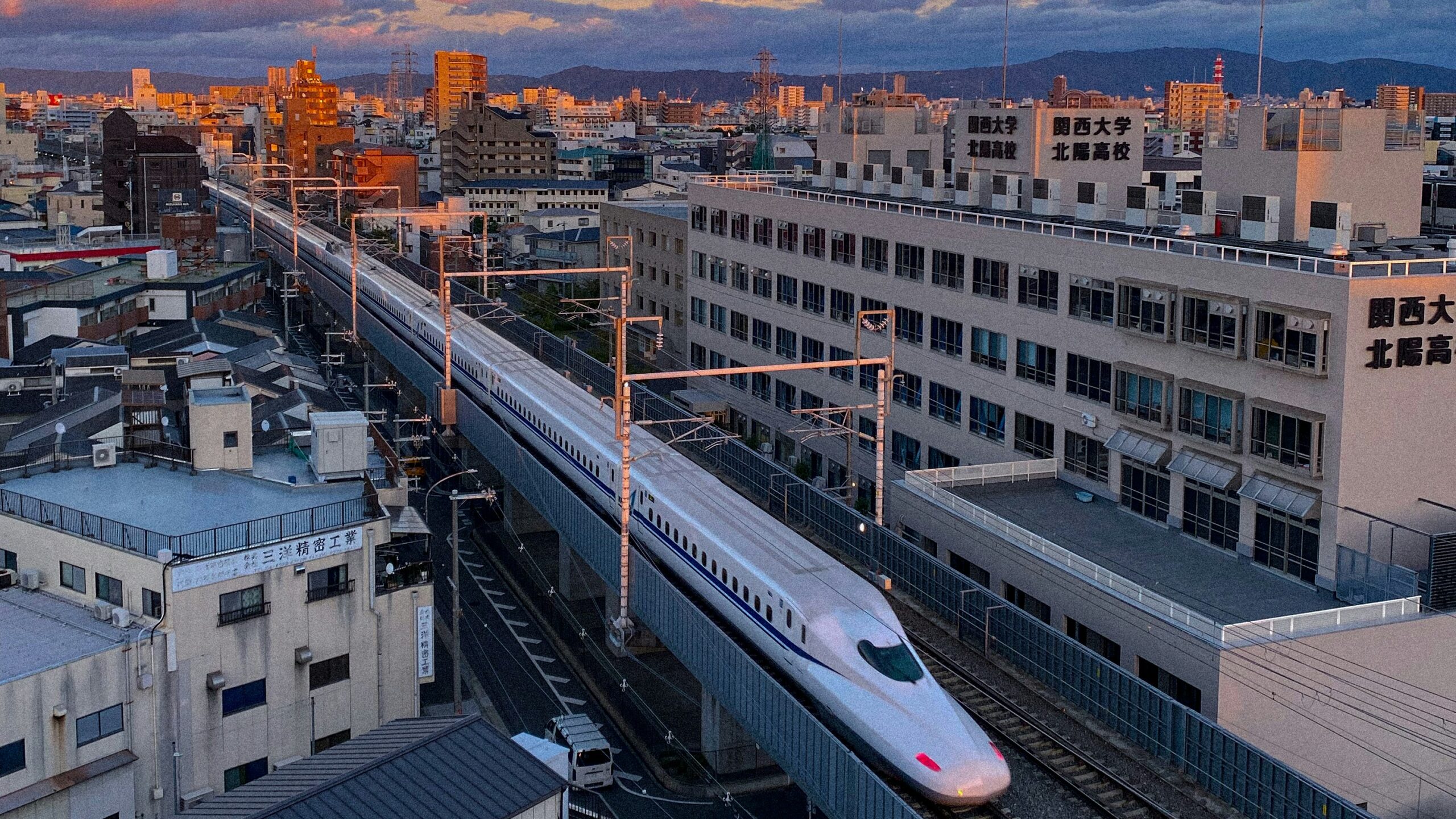
The Shinkansen is Japan’s famous high-speed train system.
It is especially useful when you want to travel between major cities in a relatively short amount of time.
For example, travelers may use the Shinkansen when traveling between cities such as Tokyo, Kyoto, and Osaka.
Shinkansen trains are generally faster and more comfortable than regular trains, but tickets can also cost more.
If saving time is important to you, the extra cost may be worthwhile.
If you have plenty of time and want to keep your transportation expenses lower, another option may sometimes make more sense.
7. Do You Need a Rail Pass?
Many travelers hear about Japan’s rail passes when planning their trip.
However, a rail pass is not automatically the best option for everyone.
If your itinerary includes several long-distance train journeys, a suitable pass may offer good value.
But if you are mostly staying in one city or making only a few longer trips, buying individual tickets may be more practical.
Before purchasing a pass, write down your planned journeys and compare the estimated individual ticket costs with the price of the pass.
A little research beforehand can prevent you from spending money on something you don’t really need.
8. How to Use Buses in Japan
Trains and metro systems are not the only ways to travel around Japan.
Buses are also useful, especially in areas where train stations are not close to the attractions you want to visit.
The payment system can vary depending on the bus and location. In some cases, you may pay when boarding, while in other cases you may pay when getting off.
Because of this, check the instructions before using an unfamiliar bus route.
It can also be helpful to save your destination’s name on your phone so you can show it to someone if you need assistance.
9. How to Travel From the Airport to Your Hotel
After arriving in Japan, one of your first transportation challenges will be getting from the airport to your accommodation.
The best option depends on which airport you arrive at and where your hotel is located.
In some cases, an airport train may be the easiest choice. In other situations, an airport bus may be more convenient.
I recommend planning this route before you leave home.
After a long flight, the last thing you want is to arrive in a new country and start trying to figure everything out from scratch.
Knowing your route in advance can make your arrival much more comfortable.
10. Traveling With Luggage on Trains
Luggage is another thing to think about when using public transportation in Japan.
Traveling with a small suitcase or backpack is usually easier, especially during busy periods.
Large suitcases can be more difficult to manage on crowded trains.
If possible, avoid the busiest commuting times when traveling with large luggage.
Depending on your situation, you can also look into hotel luggage storage or luggage delivery services.
This can make moving between destinations much easier, especially if you are traveling for several days.
11. Be Aware of Rush Hour
Major Japanese cities can become extremely busy during commuting hours.
Morning and evening rush hours can mean crowded trains and busy stations.
For a first-time visitor, the number of people using public transportation at these times can be surprising.
If your sightseeing schedule is flexible, consider traveling outside the busiest periods.
This can make your journey more comfortable, especially if you have luggage with you.
It can also give you a more relaxed start to your sightseeing day.
12. Pay Attention to Station Signs
Japanese train stations can be large, and some major stations have many exits and platforms.
Fortunately, many important signs include English information.
When looking for your train, don’t just check the train name. Also pay attention to the line, direction, platform number, and destination.
Your route app may also tell you which station exit is closest to your destination.
Checking the correct exit before leaving the station can save you from walking a long distance in the wrong direction.
13. When Should You Use a Taxi?
Taxis can be useful in Japan, but they are generally more expensive than trains and buses.
Using taxis for every sightseeing trip can quickly increase your transportation budget.
However, there are situations where taking a taxi makes sense.
For example, a taxi may be useful when public transportation is limited, when you have several large bags, when you are traveling with a group, or when your destination is not easily accessible by train or bus.
So, rather than using taxis for everything, consider them a convenient backup option when necessary.
14. Use Google Maps or a Route-Planning App
A good route-planning app can make traveling around Japan much easier.
You can use it to find:
Which train to take
Where to change trains
Which platform to use
How long the journey may take
Which station exit is convenient
However, don’t rely only on your phone.
Always check the signs at the station as well. Routes can sometimes change because of maintenance, delays, or other unexpected situations.
Using both the app and station signs together is usually the safest approach.
15. Simple Ways to Reduce Transportation Costs
If you want to control your Japan transportation expenses, start by planning your itinerary efficiently.
Try visiting several attractions in the same area on the same day instead of constantly traveling back and forth across the city.
Choosing accommodation near a train or metro station can also make your daily travel easier.
And if a destination is within a reasonable walking distance, consider walking instead of taking a train or bus.
Walking can save money, and it also gives you a chance to see parts of Japan that you might otherwise miss.
16. Follow Basic Transportation Etiquette
Japan has a strong culture of consideration for others, and public transportation is no exception.
Try not to speak loudly on trains or buses.
Keep doorways and walking areas clear so other passengers can move easily.
If you see a priority seat being used by someone who needs it more, be considerate and offer your seat when appropriate.
It is also generally better to avoid having loud phone conversations while riding public transportation.
These may seem like small things, but respecting local etiquette can make your trip more pleasant for both you and the people around you.
17. Common Transportation Mistakes First-Time Visitors Make
There are a few mistakes that first-time visitors often make.
Some people arrive at a station without checking their route first and then become confused by the size of the station.
Others choose a hotel without checking its distance from public transportation.
Another common mistake is forgetting to include daily transportation costs when planning the overall trip budget.
You can avoid many of these problems by checking your routes, hotel location, and approximate transportation costs before your trip.
A few minutes of preparation can save a lot of time later.
How to Prepare for Transportation in Japan
Before your Japan trip, you can use this simple checklist:
Decide which cities and areas you want to visit
Check your hotel’s location
Find the route from the airport to your hotel
Check train and metro routes in advance
Consider getting an IC card if it suits your trip
Compare individual tickets with any rail pass you are considering
Install or prepare a reliable route-planning app
Keep some extra money available for unexpected transportation needs
Think about how you will manage large luggage
Save important addresses on your phone
Doing these things before your trip can make transportation much less stressful after you arrive.
Final Thoughts
Japan’s transportation system may look complicated when you first see it, but it becomes much easier once you understand the basics.
For most travelers, trains and metro systems will be the most useful options. Buses can help you reach places that are farther from train stations, while the Shinkansen can save a lot of time when traveling between major cities.
I think one of the most important things you can do before visiting Japan is to understand your basic travel routes in advance.
Know where you are staying, which station is nearby, which transportation you need, and roughly how long your journeys will take.
You don’t need to memorize the entire Japanese transportation system. Use a route-planning app when you need it, follow the station signs, and ask staff for help if you are unsure.
With a good itinerary, basic route planning, and a little preparation, getting around Japan can be much easier than it first appears.
And remember, transportation is not only about getting from one place to another as quickly as possible. If you have the time, consider walking through local neighborhoods, taking a local train, or using a bus.
Sometimes these simple journeys can give you a closer look at everyday life in Japan—and those small experiences can become some of the most memorable parts of your trip. 🇯🇵