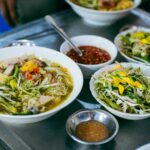
Planning a trip to Indonesia? Don’t make the mistake of thinking about food as just something to eat between sightseeing stops. Indonesian food is an important part of the country’s culture, and trying local dishes can make your trip much more memorable.
Indonesia is made up of thousands of islands, and its cuisine is just as diverse. Recipes, ingredients, spices, and cooking styles can change from one region to another. Some dishes are spicy, some are sweet, while others are rich, savory, and full of coconut and aromatic spices.
The good news is that you don’t need to be a food expert to enjoy Indonesian cuisine. Start with a few popular dishes, ask locals what they recommend, and don’t be afraid to try something you have never seen before.
In this guide, you’ll discover 15 must-try Indonesian dishes, what they taste like, where you can find them, and some useful tips for enjoying local meals during your trip.
Why You Should Try Indonesian Food
One of the best things about Indonesian cuisine is its variety.
Rice is an important part of many meals, but there is much more than rice. You will find noodles, grilled meat, seafood, vegetables, soups, tofu, tempeh, spicy sambal, and plenty of snacks and desserts.
Spices are also at the heart of many traditional dishes. Garlic, ginger, turmeric, chilies, lemongrass, coriander, and other ingredients create the deep flavors that make Indonesian cooking so interesting.official Indonesia tourism website.
Another advantage for travelers is that you can find food at almost every price level.
Small local warungs can offer affordable meals, while restaurants in tourist areas and hotels provide more comfortable dining experiences.
If you want to understand a destination better, eating local food is one of the easiest ways to connect with its culture.
1. Nasi Goreng
Nasi goreng is probably one of the easiest Indonesian dishes for a first-time visitor to try.
It is basically fried rice, but the Indonesian version has its own distinctive flavor. It is commonly cooked with sweet soy sauce, garlic, shallots, chili, and other seasonings.
Depending on the restaurant, it may come with chicken, prawns, vegetables, or egg.
You can find nasi goreng almost everywhere, from small neighborhood warungs to hotel restaurants.
If you are unsure what to order on your first night, this is a good place to start.
2. Mie Goreng
Prefer noodles instead of rice? Try mie goreng.
Mie goreng means fried noodles and is usually prepared with vegetables, egg, chicken, or seafood.
The flavor is often savory with a slightly sweet taste, and you can add chili if you enjoy spicy food.
It is filling, affordable, and easy to find.
After a long day of exploring temples, beaches, or markets, a simple plate of hot mie goreng can be surprisingly satisfying.
3. Satay
Satay is another dish you should definitely try.
Small pieces of meat are placed on skewers and grilled over charcoal. Chicken is common, but you may also find beef, goat, or other varieties.
The grilled meat is often served with peanut sauce, although the exact recipe can vary from one region to another.
One of the best ways to enjoy satay is from a busy local stall where you can see the meat being grilled in front of you.
The smoky smell alone is enough to make you hungry.
4. Rendang
Rendang is one of Indonesia’s most famous dishes and is traditionally associated with the Minangkabau culture of West Sumatra.
It is usually made with beef that is slowly cooked with coconut milk, chilies, and a mixture of spices.
The long cooking process makes the meat tender and allows the spices to develop a rich flavor.
Rendang can be spicy, but the level of heat varies.
It is normally served with rice and is a great choice if you enjoy strong, complex flavors.
5. Gado-Gado
If you want something lighter, try gado-gado.
This popular dish usually contains vegetables, tofu, tempeh, potatoes, and boiled egg, topped with a rich peanut sauce.
The exact ingredients can vary depending on the restaurant and region.
The combination of fresh vegetables and creamy peanut sauce makes it both filling and refreshing.
It is also a useful option for travelers looking for a meal without a large amount of meat.
6. Soto
Soto is actually a family of Indonesian soups rather than one specific recipe.
Different regions have their own versions. You may find chicken, beef, noodles, rice cakes, vegetables, herbs, and different types of broth.
Some versions are light and clear, while others are richer and more heavily seasoned.
If you enjoy soup, try a local version wherever you are staying.
Don’t be surprised if the soto you try in one city tastes completely different from the one you had somewhere else. That regional variety is part of what makes Indonesian cuisine interesting.
7. Bakso
Bakso is a popular Indonesian meatball soup.
The meatballs are usually served in a warm broth with noodles, vegetables, tofu, or other ingredients.
You can find bakso at restaurants, small food stalls, and sometimes mobile street food carts.
It is a simple and comforting meal, especially after spending several hours walking around a busy city.
If you see a busy local bakso stall, it may be worth stopping for a bowl.
8. Ayam Goreng
Ayam goreng means fried chicken, but Indonesian-style fried chicken can have a very different flavor from the versions you may know.
The chicken is usually seasoned or marinated before frying, giving it a more developed flavor.
It may be served with rice, vegetables, and sambal.
If you don’t enjoy spicy food, ask for the sambal separately. That way, you can control how much heat you add to your meal.
This is a simple tip, but it can make your first few meals much easier if you are not used to chili.
9. Nasi Padang
Nasi Padang refers to dishes from the Padang region of West Sumatra.
A typical meal can include rice with several different side dishes, such as curries, vegetables, eggs, chicken, beef, and spicy sauces.
Padang restaurants often display many dishes around the dining area.
If you are visiting one for the first time, don’t worry if the choices look confusing. Ask the staff to recommend a few popular dishes.
You may end up trying something you would never have chosen from a menu.
10. Pecel
Pecel is a traditional Javanese dish made with vegetables and spicy peanut sauce.
The vegetables can vary depending on the location and season.
It is a good choice when you want a lighter meal without sacrificing flavor.
If you enjoy peanut sauces, pecel is definitely worth adding to your food list.
Like many traditional dishes, it can taste different from one place to another, so don’t judge the entire dish based on one experience.
11. Gudeg
Gudeg is strongly associated with Yogyakarta and is one of the dishes you should try if you visit the city.
It is made mainly from young jackfruit that is slowly cooked with coconut milk and spices.
The result is usually sweet and savory rather than extremely spicy.
Gudeg is often served with rice and several side dishes.
Because it is closely connected to Yogyakarta’s food culture, trying gudeg there makes the experience more meaningful.
Sometimes food tastes better when you know the story and place behind it.
12. Ikan Bakar
If you are visiting one of Indonesia’s coastal areas, look for ikan bakar.
Ikan bakar simply means grilled fish. Fresh fish is seasoned and grilled, often over charcoal, before being served with rice and sambal.
Indonesia has a huge coastline, so seafood plays an important role in many regional cuisines.
A grilled fish dinner near the coast can be a wonderful travel experience, especially around sunset.
Look for a restaurant that is busy with local customers and has fresh fish available.
You don’t always need an expensive restaurant to get a great meal.
13. Sambal
Sambal is not a complete meal, but it is too important to Indonesian cuisine to leave out.
It is a chili-based condiment, and there are many different varieties.
Some are extremely spicy, while others combine heat with sweet, sour, salty, or savory flavors.
Don’t assume every sambal tastes the same.
If you are not used to spicy food, start with a very small amount. You can always add more later.
You can also ask for sambal on the side, which gives you more control over the heat.
14. Pisang Goreng
After trying several savory dishes, it is time for something sweet.
Pisang goreng is fried banana and is a popular Indonesian snack.
The banana is coated and fried until the outside becomes crispy while the inside remains soft.
It is often enjoyed with tea or coffee and can be a great afternoon snack.
Some places serve it with additional toppings, so don’t be surprised if you see different versions.
It is simple, inexpensive, and easy to enjoy.
15. Es Cendol
Es cendol is a refreshing Indonesian dessert drink.
It commonly contains green rice-flour jelly, coconut milk, palm sugar syrup, and crushed or shaved ice.
The creamy coconut milk and sweet palm sugar create a unique combination of flavors.
This is particularly enjoyable on a hot afternoon after spending hours outdoors.
If you are visiting a local market, keep an eye out for traditional dessert stalls selling cold drinks and sweets.
Where to Try Local Indonesian Food
One of the best ways to experience Indonesian food is by visiting a local warung.
A warung is generally a small local eatery. Some are very basic, while others can be surprisingly comfortable.
Don’t judge a restaurant only by its appearance. A small, busy warung may serve a much more memorable meal than an expensive tourist restaurant.
Local markets are another good option, especially in the evening.
When choosing street food, use common sense. Look for places that appear clean, have plenty of customers, and serve food that looks fresh.
How Spicy Is Indonesian Food?
This is an important question for first-time visitors.
The answer is simple: it depends.
Some dishes are mild, while others can be very spicy. Even the same dish can taste different depending on the region or person preparing it.
If you don’t eat spicy food regularly, tell the server that you want something mild.
A useful Indonesian phrase is:
“Tidak pedas.”
It means “not spicy.”
You can also ask for sambal separately.
That way, you can enjoy local flavors without accidentally turning every meal into a challenge.
Indonesian Food for Vegetarians
Vegetarian travelers have many options in Indonesia.
Gado-gado, pecel, vegetables, tofu, tempeh, and certain rice dishes can be good choices.
However, don’t assume that something is vegetarian just because you can see vegetables on the plate.
Some sauces and broths may contain meat or seafood ingredients.
If you are strictly vegetarian, ask before ordering.
Tempeh is particularly worth trying. It is made from fermented soybeans and has a firm texture and slightly nutty flavor.
What Is a Warung?
You will probably hear the word “warung” several times during your trip.
A warung is generally a small local food business. It can be a tiny roadside stall or a simple neighborhood restaurant.
For travelers, warungs are a great way to experience everyday Indonesian meals without spending too much money.
The atmosphere may be casual, but that is part of the experience.
If you see a small warung filled with local customers, don’t automatically walk past it because it doesn’t look fancy.
Sometimes the meals you never planned to try become your favorite memories.
Eating on a Travel Budget
Food can be one of the easiest parts of your trip to manage if you are traveling on a budget.
Local warungs and small restaurants are usually much cheaper than international restaurants and hotel dining.
Tourist-heavy areas, particularly parts of Bali, can be more expensive.
If you want to save money, eat where local residents eat, compare prices, and try traditional dishes instead of choosing international food for every meal.
You can enjoy an excellent trip without spending a lot on food.
Simple Tips for First-Time Food Travelers
Here are a few practical tips to remember:
Start with mild dishes.
If you are not used to chili, don’t begin with the hottest sambal available.
Ask locals for recommendations.
Drivers, hotel staff, and shop owners often know good local places.
Try small portions first.
This is useful when you are unsure whether you will enjoy a new dish.
Carry drinking water.
Indonesia can be hot and humid, especially when exploring outdoors.
Keep an open mind.
A dish may look unfamiliar but taste surprisingly good.
Don’t rush your meals.
Food is part of the travel experience, so give yourself time to enjoy it.
Final Thoughts
Trying Indonesian food is one of the easiest ways to make your trip more memorable.
Don’t limit yourself to the dishes you already know. Try nasi goreng, satay, rendang, gado-gado, soto, bakso, gudeg, grilled fish, and local snacks. Every region has its own specialties, and even familiar dishes can taste different from one place to another.
The best approach is to mix famous dishes with small local discoveries. Have dinner at a popular restaurant one evening, then try a simple warung the next day.
And don’t worry if you don’t love everything. Food is personal, and discovering what you like is part of traveling.
Years later, you may not remember every restaurant you visited. But you might remember the bowl of soup you had on a rainy evening, the smoky satay from a small street stall, or the cold dessert you enjoyed after walking around in the afternoon heat.
That’s what makes food such an important part of travel. You are not simply eating a meal—you are experiencing another part of Indonesia.