Bali is one of the most popular travel destinations in Indonesia, and for many people, it is their first introduction to the country.
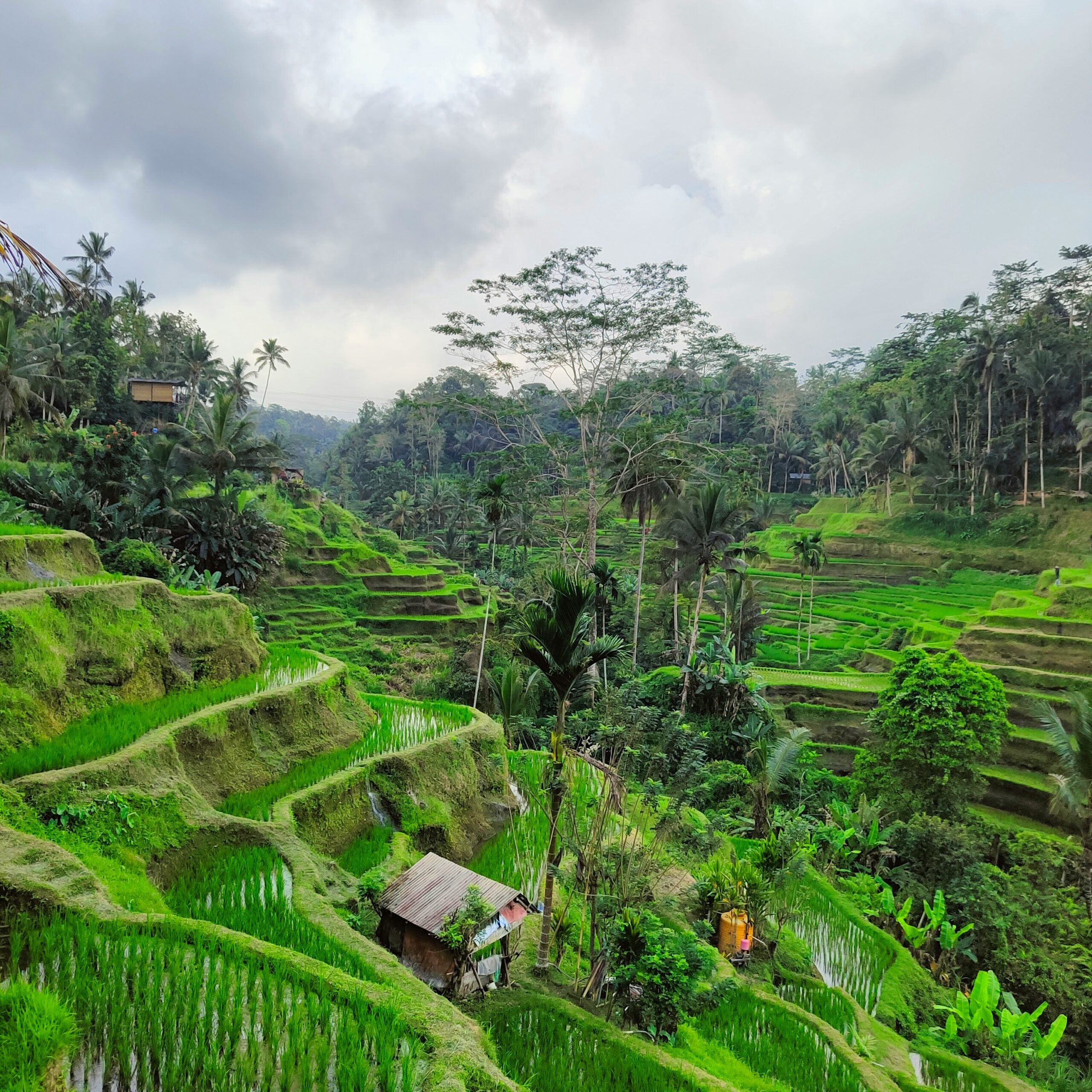
Beautiful beaches, green rice fields, temples, waterfalls, mountains, local food, relaxing resorts, and unique Balinese culture have made Bali famous around the world.
But if you are visiting Bali for the first time, you may have a lot of questions.
Where should you stay? How many days do you need? Is Bali only about beaches? What should you eat? How do you get around? Which places are worth visiting?
I think the best way to enjoy Bali is to avoid trying to see everything in one trip. Bali has many different areas, and each one offers a slightly different experience.
In this guide, I will explain the important things first-time visitors should know before traveling to Bali.
1. Bali Is More Than Just Beaches
When people imagine Bali, they often think about beautiful beaches and tropical sunsets.
Of course, Bali has plenty of beaches, but that is only one part of the island.
You can also explore rice terraces, temples, waterfalls, forests, traditional villages, markets, cafés, and mountain areas.
For the latest information about Bali tourism, travel requirements, and official recommendations, visit the official Indonesia tourism website.
This is one reason Bali is suitable for different types of travelers.
If you want to relax, you can spend your days near the beach.
If you prefer adventure, you can go hiking or explore waterfalls.
If you love culture, there are temples and traditional areas to visit.
So before planning your trip, think about what kind of Bali experience you want.
2. Choose the Right Area to Stay
One of the most important decisions you will make is where to stay.
Bali has several popular areas, and they do not all feel the same.
Kuta can be suitable for travelers who want easy access to restaurants, shops, nightlife, and a busy tourist atmosphere.
Seminyak is known for restaurants, cafés, beach clubs, shopping, and a more stylish atmosphere.
Canggu is popular with younger travelers and people interested in cafés, surfing, food, and a lively social scene.
Ubud is a better option if you prefer rice fields, culture, art, temples, and a more relaxed environment.
Nusa Dua can be attractive if you want a resort-style holiday and a quieter beach experience.
You do not have to choose one area for your entire trip. If you have enough time, staying in two different areas can give you a better experience of Bali.
3. How Many Days Do You Need in Bali?
There is no perfect number of days for everyone.
For a first trip, around 5 to 7 days can give you enough time to experience some of Bali’s major attractions without rushing too much.
If you have 10 days or more, you can explore at a slower pace and perhaps add nearby destinations.
The important thing is not to fill every day with activities.
Traveling around Bali can take longer than expected because of traffic and road conditions.
If you plan too many activities in one day, you may spend more time in a vehicle than actually enjoying the places you came to see.
4. Ubud Is Worth Considering
Ubud is one of the places I would recommend considering if you are visiting Bali for the first time.
It offers a different atmosphere from the beach areas.
Here you can find rice fields, temples, art galleries, local markets, cafés, restaurants, and cultural attractions.
Ubud is also a good base for exploring some of the surrounding countryside.
If your idea of a vacation is only lying on the beach, you may not need many days in Ubud.
But if you enjoy nature, culture, photography, and peaceful surroundings, Ubud can become one of your favorite parts of Bali.
5. Visit a Balinese Temple
Bali is known for its unique Hindu culture, and temples are an important part of everyday life.
Visiting a temple can be a memorable experience, especially if you take time to understand the local traditions.
When visiting religious places, remember that you are entering a place that is important to local people.
Dress appropriately and follow any rules provided at the entrance.
Some temples may have specific clothing requirements, and you may be asked to wear a sarong or other appropriate covering.
Do not treat temples simply as photo locations.
Take a moment to appreciate the architecture, traditions, and peaceful atmosphere.
6. Explore the Rice Terraces
Bali’s green rice terraces are another famous part of the island’s landscape.
The terraces show how farming has been part of local life for generations.
Some areas are especially popular with visitors because of their beautiful views.
You do not need to spend an entire day visiting rice fields.
Even a short visit can give you a chance to walk around, take photographs, and enjoy the scenery.
If you visit a farming area, respect the local land and avoid walking through crops or entering private property without permission.
7. Try Balinese and Indonesian Food
Food is an important part of any Bali trip.
You will find international restaurants everywhere, but I recommend trying local dishes as well.
You can try dishes such as Nasi Goreng, Mie Goreng, Satay, Nasi Campur, and various Balinese specialties.
If you enjoy coffee, Bali also has plenty of cafés and coffee shops.
Do not feel that you need to eat only at expensive restaurants.
Small local restaurants can offer delicious food and a more authentic experience.
When choosing street food or small food stalls, use common sense and choose places that appear clean and have a good number of customers.
8. Learn How to Get Around Bali
Transportation is something you should think about before your trip.
You can use taxis, ride-hailing services, private drivers, tours, or rented vehicles depending on your destination and comfort level.
For short trips around busy areas, a ride-hailing service can be convenient.
For a full day of sightseeing, some travelers prefer hiring a private driver.
This can be useful if you want to visit several attractions outside your hotel area.
If you are thinking about renting a motorbike, make sure you understand the local legal requirements and traffic conditions first.
Do not ride simply because it seems cheap.
Your safety should come first.
9. Do Not Underestimate Bali Traffic
Bali may look small on a map, but getting from one place to another can sometimes take longer than expected.
Traffic can become busy, especially around popular tourist areas.
A journey that looks short on a map may take much longer during busy periods.
For this reason, do not schedule two attractions on opposite sides of the island with very little time between them.
A slower itinerary will usually make your holiday much more enjoyable.
10. Visit a Waterfall
Bali has many waterfalls, and they can be a nice change from beaches and temples.
Some waterfalls are relatively easy to reach, while others require walking or climbing.
Before visiting, check the current conditions and understand what kind of walk is involved.
Wear shoes that are suitable for wet and slippery surfaces.
Do not take unnecessary risks just to get a photograph.
Nature can be beautiful without needing to stand in dangerous places.
11. Think About a Sunrise or Sunset Experience
Bali is famous for beautiful skies.
Depending on where you stay, you can enjoy a sunrise near the mountains or a sunset beside the ocean.
If you plan to watch the sunrise from a mountain area, remember that you may need to leave very early.
For sunset, popular beach areas can become crowded.
Sometimes a quieter location away from the busiest tourist spots can give you a more relaxing experience.
12. Be Prepared for Tropical Weather
Bali has warm weather throughout much of the year, but rain can still affect your plans.
A sunny morning does not always mean the entire day will remain dry.
Carry a small umbrella or lightweight rain jacket if you are going out for several hours.
If rain starts, you can always change your plan.
Visit a café, explore a museum, have lunch, or simply take a break at your hotel.
A little flexibility can prevent bad weather from ruining your day.
13. Respect Balinese Culture
Bali has a strong local culture, and visitors should respect it.
When entering temples or traditional areas, follow local rules.
Dress appropriately where required and avoid touching religious objects or ceremonies without permission.
You may also see small daily offerings placed outside homes, shops, and other locations.
Do not step on them or move them.
These may look like simple decorations to a visitor, but they have cultural and religious meaning.
Small acts of respect can make your trip more enjoyable for both you and the local community.
14. Keep Your Belongings Safe
Bali is a popular tourist destination, so it is important to use normal travel precautions.
Keep your passport, wallet, phone, and other valuables secure.
Do not leave expensive items unattended at the beach or in public places.
If you are using a rented vehicle or visiting crowded areas, pay extra attention to your belongings.
You do not need to be worried all the time.
Just use common sense and stay aware of your surroundings.
15. Carry Some Indonesian Rupiah
Cards and digital payments are common in many tourist areas, but cash can still be useful.
Small restaurants, local markets, transportation services, and smaller businesses may accept cash more easily.
Keep some Indonesian Rupiah with you for small purchases.
At the same time, avoid carrying all your money in one place.
Having a backup payment option is always useful when traveling.
16. Stay Hydrated
Bali’s warm and humid weather can make you tired, especially if you are spending hours walking outdoors.
Drink enough water and take breaks during the day.
If you are visiting waterfalls, temples, rice terraces, or other outdoor attractions, carry water with you.
Do not wait until you feel extremely thirsty before drinking.
Comfortable clothing, sunscreen, sunglasses, and a hat can also make long sightseeing days easier.
17. Be Careful With the Sun
It can be easy to spend several hours outdoors without realizing how strong the sun is.
Use sunscreen, especially if you are spending time at the beach.
If you are hiking or walking around in the middle of the day, try to take breaks in shaded areas.
A beautiful vacation is much more enjoyable when you are feeling comfortable and healthy.
18. Do Not Try to Visit Every Attraction
This is one of my biggest Bali travel tips.
You do not need to visit every famous place you see on social media.
If you try to visit five or six attractions in one day, you may spend most of your time traveling and waiting.
Instead, choose two or three activities that you really want to experience.
Leave some free time for unexpected discoveries.
You might find a small café, local market, beautiful viewpoint, or quiet street that becomes one of your favorite memories.
19. Consider Visiting Nearby Islands
If you have more time, you can consider adding another island destination to your trip.
Nusa Penida and the Gili Islands are popular choices for travelers who want more beaches and island scenery.
Lombok can also be an interesting option for those who want a different atmosphere.
However, adding another destination means additional transportation and planning.
Do not add another island simply because you feel like you must see more.
Only do it if it fits comfortably into your schedule.
20. Travel Responsibly
Bali receives many visitors every year, so responsible tourism is important.
Avoid leaving rubbish behind, especially near beaches, waterfalls, and natural attractions.
Reduce unnecessary plastic use when possible.
Respect local communities and do not enter private areas without permission.
If you participate in wildlife or nature activities, choose responsible operators and avoid experiences that harm animals.
The goal should not only be to enjoy Bali but also to help protect the places that make the island special.
A Simple 7-Day Bali Itinerary
If you are visiting Bali for the first time and have around one week, you can keep your itinerary simple.
Day 1: Arrive and relax
Do not plan too many activities on your arrival day. Check into your accommodation, eat something, and rest.
Day 2: Explore your local area
Visit nearby beaches, restaurants, markets, or cultural attractions.
Day 3: Ubud
Spend the day exploring Ubud, rice fields, temples, and local food.
Day 4: Nature and waterfalls
Choose one or two natural attractions rather than trying to visit everything.
Day 5: Beach day
Take a slower day and enjoy the beach, swimming, or simply relaxing.
Day 6: Cultural or sightseeing day
Visit a temple or another attraction that you are particularly interested in.
Day 7: Relax and departure
Keep your final day flexible so you do not have to rush to the airport.
You can change this itinerary depending on where you stay and what you enjoy.
Final Thoughts
Bali can be an amazing destination for first-time visitors because it offers so many different experiences in one place.
You can spend the morning exploring a temple, enjoy lunch at a local restaurant, walk through rice fields in the afternoon, and watch the sunset beside the ocean.
But the key to enjoying Bali is not trying to do everything.
Choose your accommodation carefully, understand the different areas of the island, plan your transportation realistically, and leave enough free time in your itinerary.
Try local food, respect Balinese culture, stay hydrated, protect yourself from the sun, and take care of your belongings.
Most importantly, slow down and enjoy the experience.
Bali is not only about taking beautiful photographs. It is about experiencing the food, culture, nature, people, and everyday life of the island.
With a little planning and an open mind, your first Bali trip can become a journey you remember for a long time.