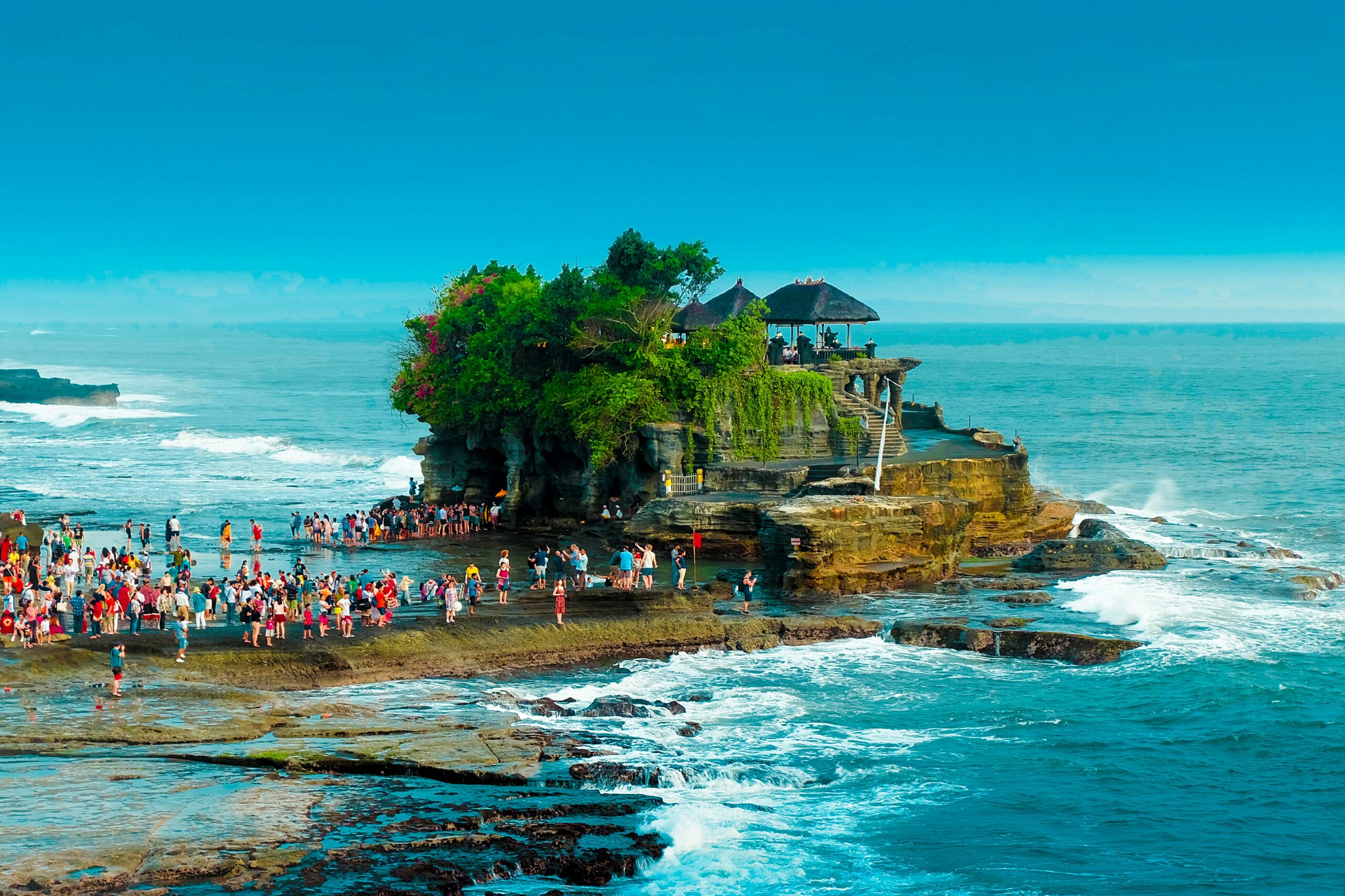
Indonesia Travel Guide for First-Time Visitors can offer many different travel experiences in one trip. You can relax on beautiful beaches, explore busy cities, visit ancient temples, walk through rice fields, see volcanoes, try local food, and experience a completely different culture.
For someone visiting Indonesia for the first time, this variety can also make planning a little confusing. Where should you go? How many days do you need? Is Bali enough, or should you visit other islands? What should you know about money, weather, food, transportation, and local customs?
I think the easiest way to plan a first trip to Indonesia is not to try to see everything. Indonesia is a huge country with thousands of islands, so choosing a few places that match your travel style is much better than trying to cover the entire country.
In this Indonesia travel guide, I will share the important things I think first-time visitors should know before planning their trip.
1. Understand How Big Indonesia Really Is
The first thing to understand is that Indonesia is not just Bali.
Indonesia is a huge archipelago made up of thousands of islands. Different parts of the country can feel completely different from each other.
Bali is probably the best-known destination, but there are many other places worth exploring, including Java, Lombok, Sumatra, Flores, and other islands.
Because the country is so large, traveling between destinations can take time.
If you only have one week, trying to visit four or five islands may leave you spending more time traveling than enjoying your vacation.
For a first trip, I would recommend choosing one main area and exploring it properly.
2. Decide What Kind of Trip You Want
Before choosing your destination, think about what you actually want from your holiday.
Do you want beaches and relaxation?
Do you want temples and history?
Are you interested in hiking and volcanoes?
Maybe you want food, shopping, nightlife, or nature.
Your answer can help you decide where to go.
For example, Bali can offer beaches, temples, culture, restaurants, and a wide range of accommodation.
Java can be interesting for travelers who want history, cities, volcanoes, and famous temples.
Lombok can be a good option for beaches, nature, and a slower atmosphere.
There is no need to choose a destination just because it is popular. Choose one that matches your interests.
3. Bali Is Not the Whole of Indonesia
Bali is often the first place people think about when they hear the word Indonesia.
It is popular for a reason. Bali has beaches, temples, rice terraces, cultural experiences, restaurants, cafés, and many types of accommodation.
However, Indonesia has much more to offer.
If you have more time, consider adding another destination instead of spending your entire trip in one busy tourist area.
For example, you could combine Bali with nearby destinations depending on your interests and available time.
The important thing is to avoid making your itinerary too complicated.
4. Check the Weather Before Booking
Indonesia has a tropical climate, but weather conditions can vary depending on the region and season.
Many parts of Indonesia have a dry season and a rainy season, but the exact conditions can differ from one destination to another.
If your trip is focused on beaches, hiking, diving, or other outdoor activities, checking the expected weather is especially important.
Rain does not automatically mean you should cancel your trip. Some travelers actually enjoy visiting during wetter periods because the landscape can look beautiful and some places may feel less crowded.
Still, it is better to know what kind of weather you may experience before booking everything.
5. Give Yourself Enough Time
One of the easiest ways to make a vacation stressful is to create an itinerary that is too busy.
You might look at a map and think two destinations are close, but getting from one place to another may involve a flight, boat, road journey, or several connections.
Instead of trying to visit as many places as possible, choose a few destinations and give yourself enough time in each one.
A slower trip can actually be more enjoyable.
You will have time to explore local restaurants, walk around, take photos, relax, and experience the destination instead of constantly checking the time.
6. Learn About Indonesian Currency
The local currency is the Indonesian Rupiah, usually written as IDR.
Prices can involve large numbers, so first-time visitors may need a little time to get used to them.
Before your trip, check the current exchange rate and use a currency conversion app if necessary.
When paying for something, take a moment to check the amount carefully.
This is especially useful in busy markets and tourist areas where you may be making several purchases.
7. Carry Some Cash
Cards and digital payments are widely used in many modern businesses and tourist areas, but you should not depend completely on them.
Small restaurants, local shops, markets, transport services, and businesses outside major tourist areas may prefer cash.
Carrying some Indonesian Rupiah can make your trip easier.
At the same time, do not carry all your money in one place. Keep your cash and cards organized and secure.
Having more than one payment option is always useful when traveling.
8. Plan Your Internet Connection
Having internet access can make traveling around Indonesia much easier.
You may need your phone for maps, translation, hotel information, transportation, restaurant searches, online bookings, and communication.
Before your trip, decide whether you will use roaming, a local SIM card, or an eSIM.
If you plan to travel between islands, having reliable mobile data can be especially useful when checking directions and transportation information.
Also remember to keep your phone charged. A power bank can be very useful during long travel days.
9. Learn a Few Simple Indonesian Words
You do not need to become fluent in Indonesian before your trip.
However, learning a few basic words can make everyday interactions more pleasant.
Simple words such as “Terima kasih” for thank you, “Tolong” for please or help, and “Selamat pagi” for good morning can be useful.
Even when people speak English, making a small effort to use the local language can show respect.
You will probably also find that local people appreciate travelers who are willing to learn a few words.
10. Try Indonesian Food
Food should be an important part of your Indonesia trip.
Indonesian cuisine is diverse and full of flavor.
You can try dishes such as Nasi Goreng, Mie Goreng, Satay, Rendang, Gado-Gado, and many regional specialties.
Do not limit yourself to restaurants aimed at international tourists. Local food stalls and small restaurants can offer some of the most memorable meals.
However, choose food vendors carefully and pay attention to cleanliness.
If you have a sensitive stomach, start with smaller portions and give yourself time to adjust to new foods.
11. Respect Local Culture
Indonesia has a diverse culture, and local customs can vary from one region to another.
When visiting temples, mosques, cultural sites, or local communities, pay attention to the rules of the place.
Dress appropriately when required and avoid behavior that could be considered disrespectful.
In some places, you may be expected to remove your shoes before entering certain buildings or areas.
It is always better to observe what local people are doing and follow the rules rather than assuming everything works the same way as it does at home.
12. Think Carefully About Accommodation
Indonesia has accommodation for almost every budget.
You can find hostels, guesthouses, budget hotels, villas, resorts, and luxury properties.
But price should not be the only thing you consider.
Location is extremely important.
A cheap hotel far away from everything may cost you more in transportation and time.
Before booking, check the location on a map and read recent guest reviews.
Look at the distance to restaurants, attractions, beaches, transportation, and other places you want to visit.
13. Understand Transportation Before You Arrive
Indonesia has many different transportation options, but getting around can be different depending on the island.
In major cities and tourist destinations, you may find taxis, ride-hailing services, buses, trains, boats, and domestic flights.
Travel between islands may require a flight or boat.
Before booking accommodation, think about how you will get there from the airport, ferry terminal, or train station.
Knowing this in advance can save you from unnecessary stress after a long journey.
14. Do Not Underestimate Travel Time
Maps can sometimes make destinations look closer than they really are.
Traffic, road conditions, ferry schedules, weather, and connections can all affect your journey.
If you have an important flight or tour, leave enough extra time.
Do not create an itinerary where you arrive at one destination and immediately need to catch another connection.
A little extra time can make your trip much more comfortable.
15. Be Careful With the Sun and Heat
Indonesia’s tropical weather can be hot and humid.
If you spend a lot of time outdoors, drink enough water and take regular breaks.
Sunscreen, comfortable clothing, a hat, and sunglasses can be useful.
If you are planning hiking or outdoor activities, do not underestimate the effect of heat and humidity.
Listen to your body and take a break if you start feeling tired or unwell.
16. Be Prepared for Rain
Even if you travel during a generally drier period, rain can still happen.
A small umbrella or lightweight rain jacket can be useful.
Keep your phone, passport, camera, and other electronic items protected from water.
Do not let unexpected rain completely ruin your plans. Sometimes you can simply change your schedule and visit an indoor attraction, café, restaurant, or shopping area instead.
17. Keep Your Important Documents Safe
Your passport, travel documents, booking information, and other important papers should be kept secure.
Before leaving home, make digital copies of important documents and store them somewhere you can access safely.
It can also be useful to have your hotel details and important contact information saved on your phone.
If something goes wrong, having copies can make the process of getting help much easier.
18. Do Not Try to See Everything
This may be the most important advice in this entire guide.
Indonesia has so many places that you could spend months exploring the country.
You do not need to see everything during your first trip.
Choose a few destinations that really interest you.
Spend enough time there to enjoy the food, culture, nature, and local atmosphere.
You can always return another time and explore another part of Indonesia.
19. Keep Your Travel Plan Flexible
Having a basic itinerary is useful, but you do not need to plan every hour.
Leave some free time in your schedule.
Maybe you discover a beautiful café, meet someone interesting, find a local market, or simply want to spend another afternoon at the beach.
If every minute of your trip is already booked, you may not have room for these unexpected experiences.
A little flexibility can make a holiday feel much more relaxed.
20. Travel Responsibly
Finally, remember that you are visiting someone’s home country.
Try to reduce unnecessary plastic waste, respect local communities, avoid damaging natural areas, and follow the rules at beaches, temples, parks, and other attractions.
When visiting natural areas, do not leave rubbish behind.
If you participate in wildlife or nature activities, choose responsible operators and avoid activities that harm animals or the environment.
Small actions from travelers can make a difference.
Final Thoughts
Indonesia is a huge and diverse country, and that is exactly what makes it so interesting.
For first-time visitors, the biggest challenge is not finding something to do. The challenge is deciding where to go and how much you can realistically see.
Start by choosing the type of experience you want. Then select a few destinations that match your interests.
Check the weather, understand the local currency, plan your internet connection, choose your accommodation carefully, and learn how you will travel between destinations.
Most importantly, do not make your itinerary too busy.
Take your time, try Indonesian food, respect local culture, talk to local people when possible, and enjoy the small moments.
You do not need a perfect plan to have a great trip to Indonesia.
A little preparation, a realistic itinerary, and an open mind can help you enjoy your first Indonesia adventure much more.
And if you fall in love with the country, there is always a reason to come back and explore another island on your next trip.