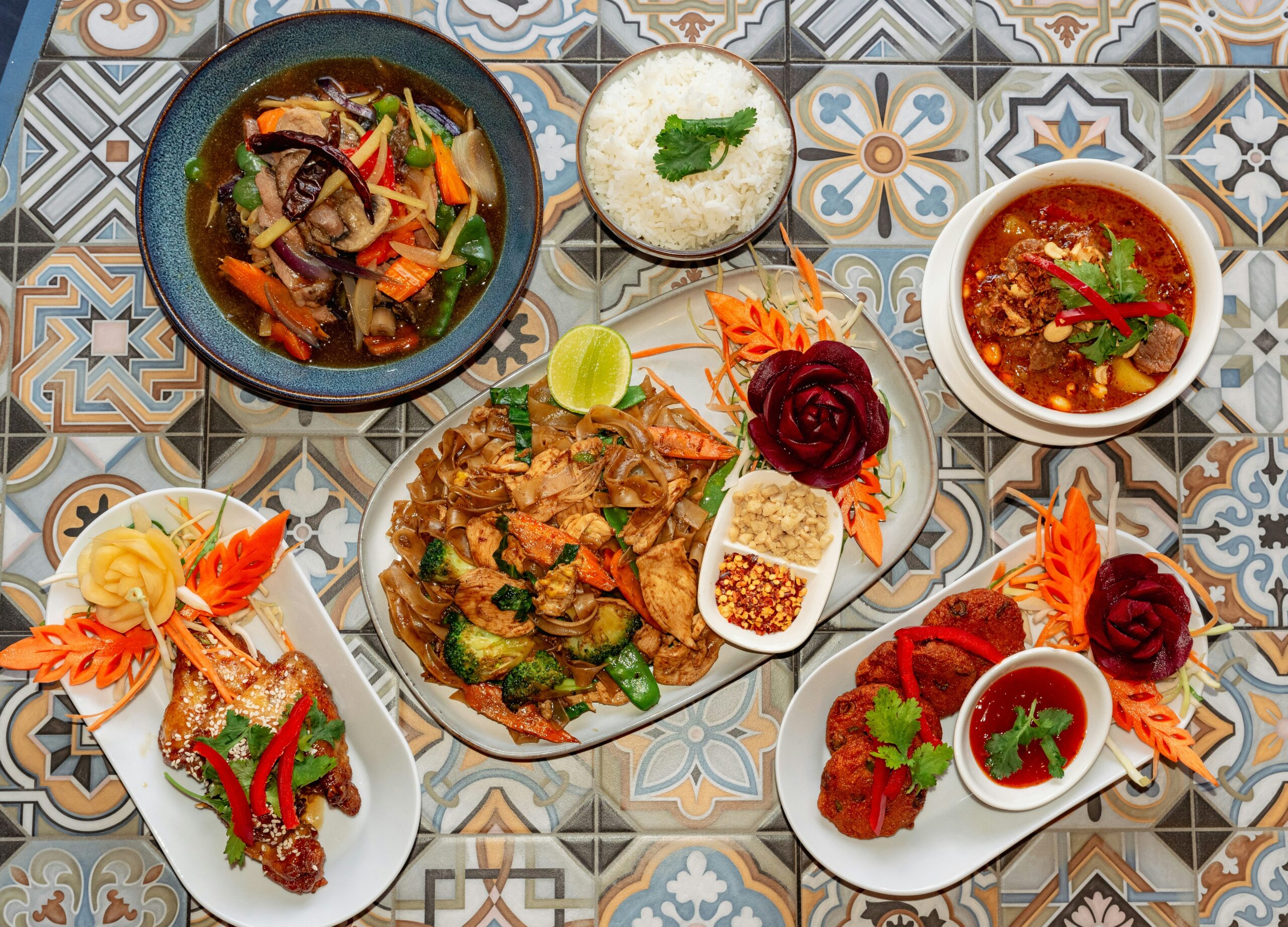
Malaysia Food Guide: One of the things I enjoy most about traveling in Malaysia is that you don’t have to look for expensive restaurants to eat well.
Malaysia’s food culture has been shaped by Malay, Chinese, Indian and other regional influences. Because of that, even a short trip can give you the chance to try completely different flavors. You might have a coconut-rich rice dish for breakfast, spicy noodles for lunch and satay or roti canai in the evening.
If you are visiting Malaysia for the first time, it can be difficult to know what to order. There are so many dishes that the names alone don’t always tell you what to expect.
That’s why I put together this Malaysia Food Guide with 20 dishes worth trying. I’ve included what each food is like, when you might want to eat it and a few things to keep in mind when ordering.
Why Malaysian Food Is So Special
Malaysian food isn’t based on one cooking tradition.
Malay dishes often use ingredients such as coconut milk, chili, herbs and spices. Chinese Malaysian cuisine has brought different noodle, rice and stir-fried dishes, while Indian Malaysian food adds breads, curries and bold spices.
The result is a food scene where two meals can taste completely different even when they are served in the same neighborhood.
Another thing I like is the range of prices. You can enjoy a satisfying local meal without spending much, but there are also plenty of restaurants if you want something more comfortable or upscale.
For travelers, this makes Malaysia a particularly easy country to explore through food.
20 Must-Try Malaysian Foods and Dishes
1. Nasi Lemak
Nasi lemak is probably the first Malaysian food I would recommend trying.
The rice is cooked with coconut milk, giving it a rich and slightly fragrant taste. It is commonly served with sambal, peanuts, fried anchovies, cucumber and egg, with additional ingredients depending on where you eat it.
Chicken, beef or other accompaniments may be added to make it a more substantial meal.
Nasi lemak is commonly eaten for breakfast, but you can find it throughout the day.
Tip: If you don’t eat much spicy food, be careful with the sambal. It can be quite hot depending on the place.
2. Char Kway Teow
Char kway teow is a stir-fried noodle dish that is especially associated with Penang.
Flat rice noodles are cooked at high heat with ingredients such as prawns, egg, bean sprouts and sauces. The cooking method gives the noodles a smoky flavor that makes the dish particularly satisfying.
It is a great choice for lunch or dinner when you want something filling without ordering a complicated meal.
If you visit Penang, make sure this is somewhere on your food list.
3. Roti Canai
Roti canai is one of those foods that is difficult to stop eating once you start.
This flaky flatbread is usually served with curry or dhal for dipping. The outside can be crisp while the inside remains soft and layered.
It’s commonly eaten for breakfast, although there is no reason you can’t have it at other times of the day.
One advantage for budget travelers is that roti canai is usually inexpensive.
Tip: Try it with a cup of teh tarik for a classic Malaysian combination.
4. Satay
Satay is a popular street food consisting of skewered meat grilled over charcoal.
Chicken and beef are common choices, and the meat is usually served with a rich peanut sauce along with other accompaniments.
The smoky aroma from the grill is often enough to make you hungry before you even order.
Satay works well as a snack or as part of a larger meal.
If you’re traveling with friends or family, ordering several types and sharing them is a good way to try different flavors.
5. Laksa
Laksa isn’t just one specific dish. Different parts of Malaysia have their own versions, and the flavor can change significantly from one place to another.
Some versions are creamy and rich, while others are sour, spicy and more broth-focused.
Penang Assam Laksa is one of the most famous versions and has a distinctive sour and spicy taste.
If you normally prefer mild food, ask about the spice level before ordering.
6. Nasi Kandar
Nasi kandar is a rice-based meal that is strongly associated with Penang.
You start with rice and then choose from different curries, meats and side dishes. The combination of sauces poured over the rice is a major part of the experience.
The final plate can be simple or quite large depending on what you choose.
It’s a good option when you are very hungry because you can build the meal according to your appetite.
7. Mee Goreng Mamak
Mee goreng mamak is a fried noodle dish commonly found at Indian Muslim eateries.
The noodles are stir-fried with ingredients such as vegetables, egg and tofu, with sauces and spices adding plenty of flavor.
It can be slightly sweet, spicy and savory at the same time.
This is another dish where recipes vary between restaurants, so don’t worry if two plates don’t taste exactly alike.
8. Hainanese Chicken Rice
Hainanese chicken rice is a simple-looking meal that is surprisingly satisfying.
It usually includes tender poached or roasted chicken served with fragrant rice and sauces.
Because the flavors are generally milder than some spicy Malaysian dishes, this can be a good choice if you want a break from chili-heavy food.
It’s also an easy meal for travelers who are still getting used to Malaysian flavors.
9. Beef Rendang
Rendang is a slow-cooked meat dish made with a mixture of spices, coconut milk and other aromatic ingredients.
The cooking process allows the flavors to develop and the meat to become tender.
Beef rendang is particularly popular, although variations exist.
The flavor is rich and complex rather than simply spicy. If you enjoy curries and slow-cooked dishes, this is definitely worth trying.
10. Char Siu
Char siu is Chinese-style barbecued pork that can be found in many Malaysian Chinese food establishments.
The meat is usually roasted until it develops a caramelized exterior while remaining tender inside.
It is often served with rice or noodles.
If you eat pork, this is an easy dish to try when exploring Malaysian Chinese cuisine.
11. Hokkien Mee
Hokkien mee can refer to different noodle preparations depending on the region.
In Kuala Lumpur, a dark-sauce version is particularly well known, while Penang has its own style that uses a rich prawn-based broth.
This is a good example of why Malaysian food can be confusing at first. The same name doesn’t always mean exactly the same dish.
If you see Hokkien mee on a menu, ask the restaurant what style they serve.
12. Banana Leaf Rice
Banana leaf rice is more of an eating experience than a single dish.
Rice is served on a banana leaf along with different vegetable sides, curries, pickles and other accompaniments.
You can often add meat or other dishes depending on what you want.
Eating from the banana leaf is part of the fun, although restaurants generally provide cutlery if you prefer it.
Indian restaurants in Kuala Lumpur and other Malaysian cities are good places to look for it.
13. Apam Balik
If you have a sweet tooth, try apam balik.
It is a type of stuffed pancake that can contain ingredients such as peanuts, sugar and sweet fillings.
The texture can range from thin and crispy to thicker and softer depending on how it is prepared.
It makes an excellent street-food snack when you don’t want a full meal.
14. Cendol
Cendol is a popular Malaysian dessert, especially on hot days.
It typically combines shaved ice with coconut milk, palm sugar syrup and green jelly noodles made from rice flour.
Sweet red beans may also be included.
The combination of cold ice, coconut milk and palm sugar makes it particularly refreshing after walking around in Malaysia’s tropical heat.
15. Ais Kacang
Ais kacang, sometimes called ABC, is another colorful shaved-ice dessert.
It can contain ingredients such as sweet corn, red beans, jelly, syrup and condensed milk.
The exact combination varies between places.
It may look a little unusual when you first see it, but that’s part of the experience. If you’re exploring Malaysian desserts, give it a try.
16. Teh Tarik
Teh tarik isn’t a meal, but no Malaysia food guide would feel complete without mentioning it.
This famous pulled tea is made with black tea and condensed milk. The tea is repeatedly poured between containers to create a frothy texture.
You’ll see it in mamak restaurants and other local eateries.
It’s usually sweet and creamy, so if you prefer less sugar, ask whether the sweetness can be reduced.
17. Nasi Ayam
Nasi ayam simply means chicken rice, but Malaysian versions can come with several different sauces, vegetables and preparations.
Depending on the restaurant, the chicken may be roasted, steamed or prepared another way.
It is an easy everyday meal and often a good option when you want something familiar but still distinctly Malaysian.
18. Curry Laksa
Curry laksa is a richer and creamier type of noodle soup.
The broth commonly contains coconut milk and spices, with noodles, tofu puffs, seafood, chicken or other ingredients depending on the recipe.
It can be quite spicy, but the coconut milk balances some of the heat.
This is a good choice for travelers who enjoy creamy curries and noodle soups.
19. Mee Rebus
Mee rebus is a noodle dish served with a thick, flavorful gravy.
The sauce often has a slightly sweet and spicy character, with ingredients such as potatoes and spices contributing to its texture and taste.
It’s not as internationally famous as nasi lemak or satay, which is exactly why I think it’s worth trying if you want to move beyond the obvious dishes.
20. Rojak
Rojak is a mixed salad-style dish with a flavor that can be difficult to compare with anything else.
Depending on the version, it may contain fruit, vegetables, tofu or other ingredients covered in a thick dressing that can include shrimp paste, palm sugar and peanuts.
The combination of sweet, salty and savory flavors isn’t for everyone, but adventurous eaters should give it a chance.
Where to Find the Best Malaysian Food
You don’t always need a famous restaurant to eat well in Malaysia.
Hawker Centers
Hawker centers are one of the best places for travelers who want to sample several dishes in one visit.
Different stalls may specialize in different foods, so you can walk around, compare options and choose what looks appealing.
They are particularly useful if you’re traveling with other people who want to eat different things.
Mamak Restaurants
Mamak restaurants are a great place to try foods such as roti canai, nasi kandar, mee goreng and teh tarik.
Many stay open late, making them convenient when you want a casual meal after sightseeing.
Local Restaurants
Small neighborhood restaurants can be excellent for everyday Malaysian meals.
Look for places that are busy with local customers. It isn’t a guarantee that you’ll love the food, but it’s often a useful sign that the restaurant is popular with people who live nearby.
Food Markets
Night markets and local markets can be fun places to try snacks and smaller dishes.
Rather than arriving hungry and ordering one large meal, try a few different things in small portions.
That way, you can experience more of the local food.
Malaysian Food for Travelers Who Don’t Like Spicy Food
Not every Malaysian dish is extremely spicy.
If you don’t handle chili well, you can still enjoy plenty of Malaysian food.
Nasi ayam, chicken rice, roti canai, some versions of char kway teow and certain noodle dishes can be relatively mild.
When ordering, you can ask:
“Is this spicy?”
If you want less heat, say that you prefer mild food.
Also remember that sambal and chili sauces are sometimes served separately. You don’t have to use them if the heat is too much.
Malaysian Food for Vegetarians
Vegetarian travelers can find options in Malaysia, particularly in Indian and Chinese restaurants.
Vegetable curries, roti, rice dishes, tofu and certain noodle dishes may be suitable.
However, don’t assume that a dish is vegetarian simply because you don’t see meat. Some sauces, broths or cooking ingredients can contain meat or seafood products.
If you have strict dietary requirements, ask clearly about the ingredients before ordering.
How Much Does Food Cost in Malaysia?
One of the best things about eating in Malaysia is that you can control your food budget quite easily.
Local dishes from hawker stalls and casual restaurants are generally much cheaper than meals at upscale restaurants.
A budget traveler can eat well without spending a huge amount each day, while travelers with a larger budget have countless choices.
You can also save money by eating your main meals at local eateries and saving more expensive restaurants for one or two special occasions.
I wouldn’t recommend choosing food only based on price, though. Sometimes spending a little more gives you the chance to try a dish or restaurant that becomes one of the best memories of your trip.
Food Etiquette in Malaysia
A few simple habits can help you feel more comfortable when eating locally.
If you’re eating at a busy food stall, watch how other customers order. The system can sometimes be different from what you’re used to.
At some restaurants, you may need to order directly from a stall rather than waiting for a server.
If you are visiting an Indian Muslim or halal restaurant, pork and alcohol are generally not part of the menu.
Malaysia is culturally diverse, so restaurant practices can vary significantly. Take a moment to observe before deciding what to do.
Tips for Eating in Malaysia for the First Time
Here are a few things I would keep in mind.
Start with small portions: You may want to try several dishes rather than filling yourself with the first meal.
Ask about spice: Don’t assume every red-colored dish is extremely hot, but ask if you’re unsure.
Try local places: Tourist restaurants aren’t the only option.
Eat where locals eat: A busy stall can often be a good starting point.
Carry some cash: Small food stalls may not accept cards.
Don’t judge a dish by appearance: Some of the most delicious Malaysian foods may look unfamiliar at first.
Be adventurous: If you always order food you already know, you’ll miss one of the best parts of traveling in Malaysia.
Best Malaysian Food Destinations
Different parts of Malaysia are known for different foods.
Kuala Lumpur is excellent for variety. You can find Malay, Chinese, Indian and international food in the same city.
Penang is especially famous for hawker food and dishes such as char kway teow and Assam laksa.
Melaka is worth visiting for its distinctive local dishes and food culture.
Langkawi offers plenty of seafood alongside Malaysian favorites.
Kota Kinabalu is a good place to explore the food of Sabah, including seafood and regional dishes.
If food is one of your main reasons for visiting Malaysia, don’t limit yourself to Kuala Lumpur. Each destination can offer something different.
What Should You Eat First in Malaysia?
If this is your first trip and you don’t know where to begin, I would keep the first few meals simple.
Start with nasi lemak for a classic Malaysian experience.
Try roti canai and teh tarik at a local restaurant for breakfast or a quick meal.
Have satay in the evening.
If you’re visiting Penang, look for char kway teow and Assam laksa.
Then try something less familiar, such as rojak or cendol, when you’re ready to experiment.
You don’t have to try all 20 dishes on one trip. Even five or six can give you a good introduction to Malaysian cuisine.
Final Thoughts
Food can tell you a lot about Malaysia.
You can see the country’s cultural diversity in the dishes themselves, from Malay favorites such as nasi lemak and rendang to Indian-influenced roti canai and Chinese Malaysian dishes such as char kway teow and Hokkien mee.
The best part is that you don’t need a huge food budget to experience it.
Try local restaurants, visit hawker centers, order smaller portions and don’t be afraid to ask what a dish contains. If something sounds unfamiliar, that’s often a good reason to try it rather than avoid it.
For a first visit, I would start with a few classics and then branch out depending on where you are traveling.
Malaysia is a country where eating isn’t simply something you do between sightseeing stops—it can be one of the main reasons you remember the trip.