Focus Keyword: Japanese food
Secondary Keywords: Japanese food guide, Japan food, Japanese traditional food, foods to try in Japan
Meta Description: Planning a trip to Japan? Discover 12 popular Japanese foods to try, from sushi and ramen to tempura, takoyaki, udon, soba, and more.
What Should You Eat on Your First Trip to Japan?
Japan is famous for many things, but its food is one of the biggest reasons people enjoy visiting the country.
When planning a first trip, it is easy to focus only on places to visit and forget about food. But trying local dishes can make the trip much more interesting. You may discover flavors, ingredients, and cooking styles that you have never experienced before.
Japanese food is also much more varied than sushi and ramen. Different regions have their own specialties, while restaurants, markets, convenience stores, and small local shops offer completely different experiences.
If you are visiting Japan for the first time, you do not need to try everything. Start with a few popular dishes, then try something new whenever you feel comfortable.
Here are 12 Japanese foods worth trying during your first trip to Japan.
1. Sushi – A Classic Japanese Experience
Sushi is probably the first Japanese food that comes to mind for many people.
It is generally made with seasoned rice and ingredients such as seafood, vegetables, or egg. There are many different styles of sushi, so the experience can vary greatly from one restaurant to another.
If you already enjoy raw fish, you may want to try traditional sushi with fresh seafood. If you are not comfortable eating raw fish, there are also cooked and vegetarian options.
One useful tip for first-time visitors is not to assume that every sushi restaurant will offer the same menu or price range. Some places are casual and affordable, while others can be much more specialized.
If sushi is new to you, start with something simple and see what you like.
2. Ramen – A Warm and Comforting Meal
Ramen is another food that should be on the list for many first-time visitors.
A typical bowl includes noodles, broth, and different toppings. The flavor can change significantly depending on the type of broth and the restaurant.
You may come across different styles of ramen, including broth-based varieties with different levels of richness and seasoning.
Ramen is particularly enjoyable on a cold or rainy day when you want something warm and filling.
If you are unsure what to order, choosing the restaurant’s popular or recommended bowl can be a simple way to start.
3. Tempura – Light and Crispy
Tempura is made by coating seafood or vegetables in a light batter and frying them.
Shrimp is one of the most familiar choices, but vegetables such as pumpkin, eggplant, mushrooms, and sweet potato may also be used.
Good tempura should have a light, crispy coating rather than feeling overly heavy.
You can find tempura as a standalone meal or as part of a larger Japanese meal.
If you enjoy fried food but want to try something different from typical fast food, tempura is worth adding to your list.
4. Takoyaki – A Popular Osaka Snack
If you visit Osaka, you will probably notice takoyaki being sold in many food areas.
These small, round snacks are made from a batter and traditionally contain pieces of octopus. They are usually topped with sauce and other ingredients.
Takoyaki is best eaten while it is hot, but be careful when taking the first bite because the inside can be much hotter than it looks.
It is a good choice when you want to try something quick while exploring the city.
You do not necessarily need to make takoyaki a full meal. A small serving can be a fun way to experience a popular Japanese street-food style snack.
5. Okonomiyaki – A Savory Japanese Favorite
Okonomiyaki is often described as a Japanese savory pancake, although that description does not tell the whole story.
It can contain ingredients such as cabbage, egg, flour, meat, seafood, and other toppings. The exact preparation can vary depending on the region.
Osaka-style and Hiroshima-style okonomiyaki are prepared differently, so trying both can be interesting if your itinerary allows it.
If you enjoy filling meals and want to try something that feels different from sushi or ramen, okonomiyaki is a great option.
6. Yakitori – Grilled Chicken Skewers
Yakitori is a simple but popular Japanese food made from pieces of chicken grilled on skewers.
Different parts of the chicken can be used, and the skewers may be seasoned with salt or a savory sauce.
Yakitori is commonly enjoyed as a casual meal or snack, making it a good option when you want to eat something without spending too much time at a restaurant.
You may find yakitori at small restaurants and other casual food spots.
If you enjoy grilled food, this is one Japanese dish that is easy to recommend.
7. Udon – Thick and Soft Japanese Noodles
Udon noodles are thick, soft, and very different in texture from ramen noodles.
They can be served in a warm broth or prepared in other ways depending on the dish.
One advantage of trying udon is that there are many different versions. You can find simple bowls as well as meals with vegetables, meat, seafood, or other toppings.
If you already enjoy noodles, udon is an easy food to add to your Japan food list.
It can also be a convenient choice when you want something filling without having an overly complicated meal.
8. Soba – Traditional Buckwheat Noodles
Soba is another popular Japanese noodle dish, but unlike udon, soba is made primarily from buckwheat.
It can be served hot in a broth or cold with a dipping sauce.
The texture and flavor are different from both ramen and udon, so it is worth trying even if you have already eaten other Japanese noodles.
Soba can be particularly interesting for travelers who want to experience a more traditional style of Japanese food.
9. Japanese Curry – Simple, Filling, and Familiar
Japanese curry may be a good choice if you are nervous about trying unfamiliar foods.
Although curry exists in many countries, Japanese curry has its own flavor and style. It is commonly served with rice and may include meat and vegetables.
The sauce is often thicker and milder than some other types of curry.
Because it is served with rice and has familiar ingredients, it can be a comfortable option between more adventurous meals.
If you have been traveling all day and simply want something warm and filling, Japanese curry can be a practical choice.
10. Onigiri – A Convenient Travel Snack
Onigiri is one of the most convenient foods you can try in Japan.
It is made primarily from rice and often shaped into a triangle or another compact form. Many versions contain a filling, and seaweed is commonly used around the outside.
One of the best things about onigiri is that it is easy to carry.
You can find it in convenience stores and other places, making it useful when you are traveling between destinations or want a quick snack before sightseeing.
There are many fillings available, so if you are unsure about one flavor, you can simply try another.
11. Matcha Desserts – Try More Than Just Matcha Tea
Matcha is strongly associated with Japanese culture, but you do not have to drink it as tea to enjoy it.
Matcha is also used in desserts such as ice cream, cakes, puddings, cookies, and other sweets.
The flavor can be stronger and more bitter than people expect, especially if they have never tried real matcha before.
If you enjoy desserts, trying a matcha-flavored sweet can be a simple way to experience another side of Japanese food culture.
You may find especially interesting matcha desserts in places known for traditional tea culture.
12. Japanese Cheesecake – Soft and Light
Japanese cheesecake is another dessert worth trying if you have a sweet tooth.
It is often softer and lighter in texture than the dense cheesecake styles found in many other countries.
The texture can make it feel more like a light dessert rather than a heavy slice of cake.
You may find Japanese cheesecake at bakeries, dessert shops, and other food stores.
If you prefer desserts that are not extremely rich, this could be a good choice.
What Should You Eat If You Have a Small Budget?
You do not need to visit expensive restaurants to enjoy Japanese food.
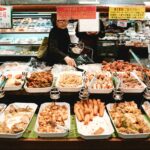
There are plenty of affordable options, including convenience stores, casual noodle shops, local restaurants, and smaller food businesses.
Onigiri, noodles, rice dishes, curry, and some prepared meals can be useful when you want to control your spending.
A good approach is to mix different types of meals.
For example, you could have a more special restaurant meal one evening and choose an inexpensive local option the next day.
This can help keep your food budget under control while still allowing you to experience different dishes.
How to Choose Food If You Are a Picky Eater
Not everyone is comfortable trying unfamiliar food, and that is completely normal.
If you are a picky eater, you do not need to force yourself to eat something you dislike.
Start with foods that contain familiar ingredients.
Japanese curry, tempura, grilled chicken, udon, and some cooked sushi options may be easier starting points.
Once you become more comfortable, you can gradually try dishes with different flavors or ingredients.
The goal is to enjoy the experience rather than turn every meal into a challenge.
Useful Japanese Food Words to Know
Knowing a few simple words can make ordering food easier.
Here are some useful terms:
Mizu – Water
Gohan – Rice/meal
Niku – Meat
Sakana – Fish
Tori – Chicken
Yasai – Vegetables
Tamago – Egg
Oishii – Delicious
Sumimasen – Excuse me
You can also use a translation app when you need to understand a menu or ask about ingredients.
If you have food allergies, it is especially important to communicate your requirements clearly before ordering.
Japanese Food Etiquette for First-Time Visitors
Trying local food is not only about knowing what to order. It is also useful to understand some basic dining manners.
Use Chopsticks Carefully
Avoid pointing at people with chopsticks or playing with them. There are also specific chopstick customs in Japan that are better learned before your trip.
Avoid Wasting Food
Order an amount you are reasonably sure you can finish.
Follow the Restaurant’s Rules
Some restaurants may have specific instructions about ordering, seating, or payment. If you are unsure, simply observe what other customers are doing or ask staff politely.
Be Considerate When Taking Photos
Food photography is common, but try not to block other customers or disturb restaurant staff while taking pictures.
Should You Try Regional Food in Japan?
Absolutely.
One of the interesting things about traveling around Japan is that food can change from one region to another.
Osaka has famous local dishes such as takoyaki and okonomiyaki. Hokkaido is known for a variety of seafood and other local specialties. Kyoto has strong connections to traditional cuisine and tea culture.
So if you are traveling to several parts of Japan, do not eat exactly the same type of food everywhere.
Instead, look for dishes that are particularly associated with the region you are visiting.
This can make your trip feel more connected to each destination.
How to Make Your Japan Food Experience Better
I think one of the easiest ways to enjoy Japanese food is to avoid planning every meal too strictly.
Of course, if there is a famous restaurant you really want to visit, make your plans ahead of time.
But leave some space for spontaneous choices.
You might discover a small restaurant while walking through a neighborhood, see a food stall that looks interesting, or find a local dish you had never heard of before.
Sometimes those unexpected meals become the most memorable part of a trip.
Final Thoughts
Japanese food is much more than sushi and ramen.
From crispy tempura and Osaka’s takoyaki to comforting udon, traditional soba, grilled yakitori, Japanese curry, onigiri, and matcha desserts, there are plenty of different foods to explore.
You do not have to try everything during one trip.
Start with foods that sound appealing to you, then gradually experiment with dishes that are new or unfamiliar.
If you are traveling on a budget, mix affordable meals with a few special restaurant experiences. If you have dietary restrictions or allergies, always check the ingredients before ordering.
Most importantly, enjoy the process.
One of the best parts of traveling is discovering something you never expected to like. Japan’s food culture gives you plenty of opportunities to do exactly that. 🇯🇵🍣